
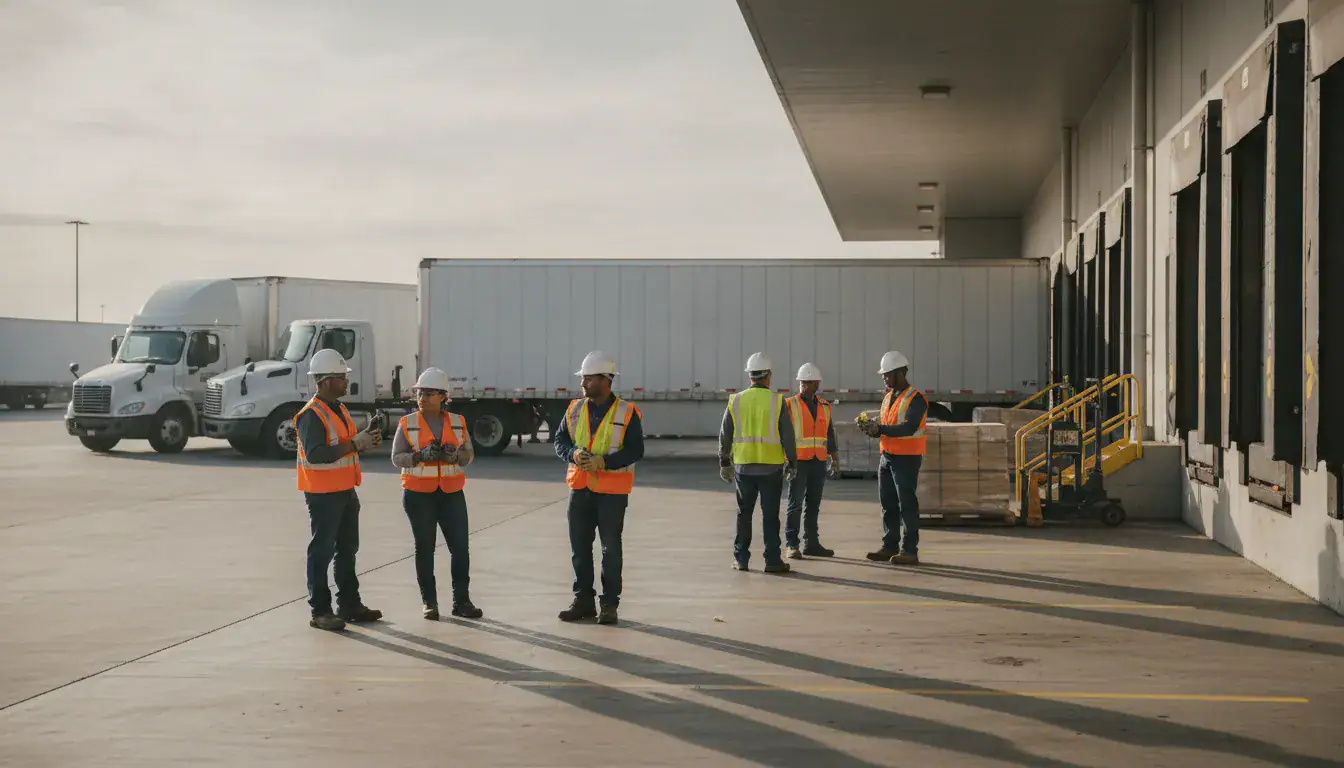
Transportation employers across Dallas-Fort Worth often need qualified drivers faster than a traditional hiring process can deliver. A transportation staffing agency in Dallas Fort Worth can help an employer define the role. Recruit from a local talent pool, verify experience, and choose a staffing model that fits the operation.
The right partner does more than forward resumes. It helps reduce avoidable disruption from no-shows, skills mismatches, seasonal demand, and unplanned administrative work. For a carrier, warehouse, distributor, or manufacturer, that support can protect route coverage and keep loading, delivery, and production schedules moving.
Eclipse Light Industrial Staffing is a WBE-certified partner serving transportation, logistics, warehouse, and manufacturing employers from Lancaster and the surrounding South Dallas and Northern Ellis County communities. Its workforce approach combines proactive recruiting, screening, skills evaluation, and flexible service options. The goal is a practical match between the employer’s requirements and the worker’s qualifications, availability, and expectations.
This guide explains what transportation staffing agencies handle, how CDL and non-CDL roles differ, and how DFW employers can evaluate a staffing partner. It also connects hiring decisions to broader workforce reliability and risk management for light industrial employers.
Talk with Eclipse about your DFW transportation staffing needs.
Why transportation hiring is difficult in DFW
Transportation hiring is not one uniform problem. A company may need a delivery driver for a predictable route, a non-CDL worker for local material movement, or additional people during a seasonal surge. Each role has different schedule, physical, safety, customer-service, and equipment expectations. Hiring becomes more difficult when those requirements are not defined before recruiting begins.
Demand changes quickly
DFW distribution and manufacturing operations can experience volume changes, new contracts, holiday peaks, customer deadlines, and shift changes. An internal team may know that it needs more drivers, but not have the recruiting capacity to build a qualified pipeline while also managing daily operations. Flexible staffing can give an employer a way to add capacity without treating a short-term need as a permanent headcount decision.
Reliability matters as much as availability
A candidate who is available but cannot consistently meet the schedule may create more work for a supervisor. Missed shifts can affect route coverage, dock scheduling, overtime, and customer commitments. A staffing partner should therefore discuss attendance expectations, work history, transportation access, role requirements, and communication practices before presenting a candidate.
Local coverage affects the match
Commute distance, shift start time, and the location of a yard, warehouse, or plant can influence whether a placement remains sustainable. Eclipse is based in Lancaster and focuses on South Dallas County, Northern Ellis County, and nearby DFW communities such as DeSoto, Hutchins, Wilmer, Waxahachie, and Midlothian. That local orientation supports a more useful conversation about the actual worksite and candidate pool than a generic national search.
Employers should also consider how they will verify role-specific skills and handle administrative needs. A clear job profile gives an agency better direction and helps candidates understand the opportunity before the first interview or assignment.
What a transportation staffing agency in Dallas Fort Worth can handle
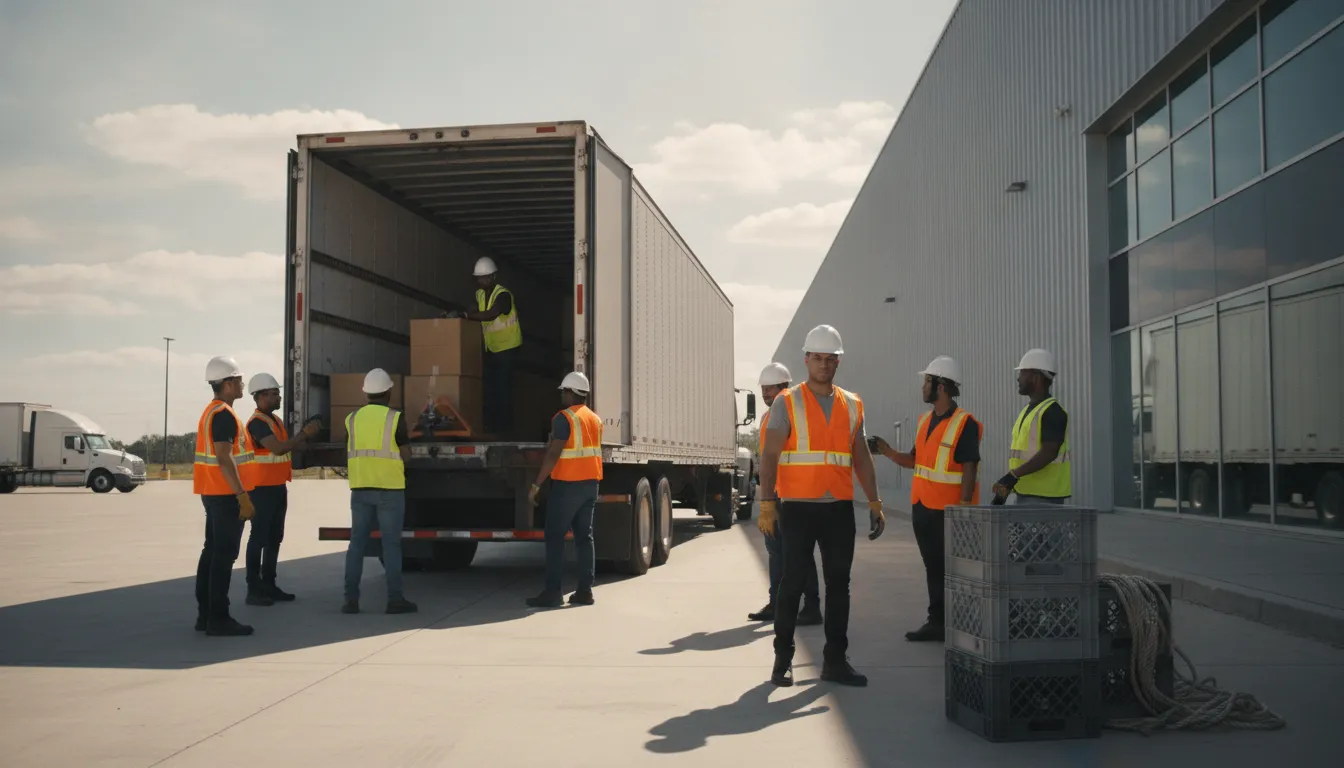
A strong transportation staffing partner begins with a needs assessment, not a generic list of available workers. The conversation should cover the role, schedule, equipment, worksite, required credentials or experience, physical demands, reporting structure, and expected duration. That information shapes the recruiting and screening process.
- Define the role, worksite, schedule, equipment, and expected duration.
- Identify the experience, screening, and safety requirements.
- Choose the staffing model that matches the business need.
- Review candidate fit and agree on placement support.
Recruiting and candidate presentation
Agencies can activate proactive recruiting and present candidates who fit the employer’s stated requirements. Transportation-related searches may include CDL A, CDL B, non-CDL, box truck, flatbed, tanker, delivery, shipping, receiving, and material-handling roles. The exact position description matters. Employers should not assume that experience in one vehicle or route automatically transfers to another.
Flexible service models
Transportation employers may use different solutions at different points in the hiring cycle:
- Try-before-you-hire staffing lets an employer evaluate attendance, productivity, safety, cultural fit, and learning ability before a permanent decision.
- Flexible – Seasonal Staffing can help with temporary volume increases, recurring peaks, or uncertain demand.
- Direct Hire can support a permanent opening when the employer wants to hire directly from the start.
- Payroll or EOR Services can shift payroll, tax, benefits, workers’ compensation, and compliance administration to the staffing partner while the client keeps day-to-day operational control.
Eclipse documents a 4-5 day average time to fill for flexible and seasonal staffing through proactive talent pools. That is an average, not a guarantee for every driver role. The employer’s location, schedule, qualifications, market conditions, and screening requirements all affect the timeline.
Request a consultative staffing conversation for your transportation operation.
For employers comparing providers, useful questions include: How are candidates screened? How are absences handled? What happens when a placement is not the right fit? Which staffing model fits the expected duration? Clear answers reveal more than a promise to send people quickly.
How Eclipse screens and supports transportation candidates
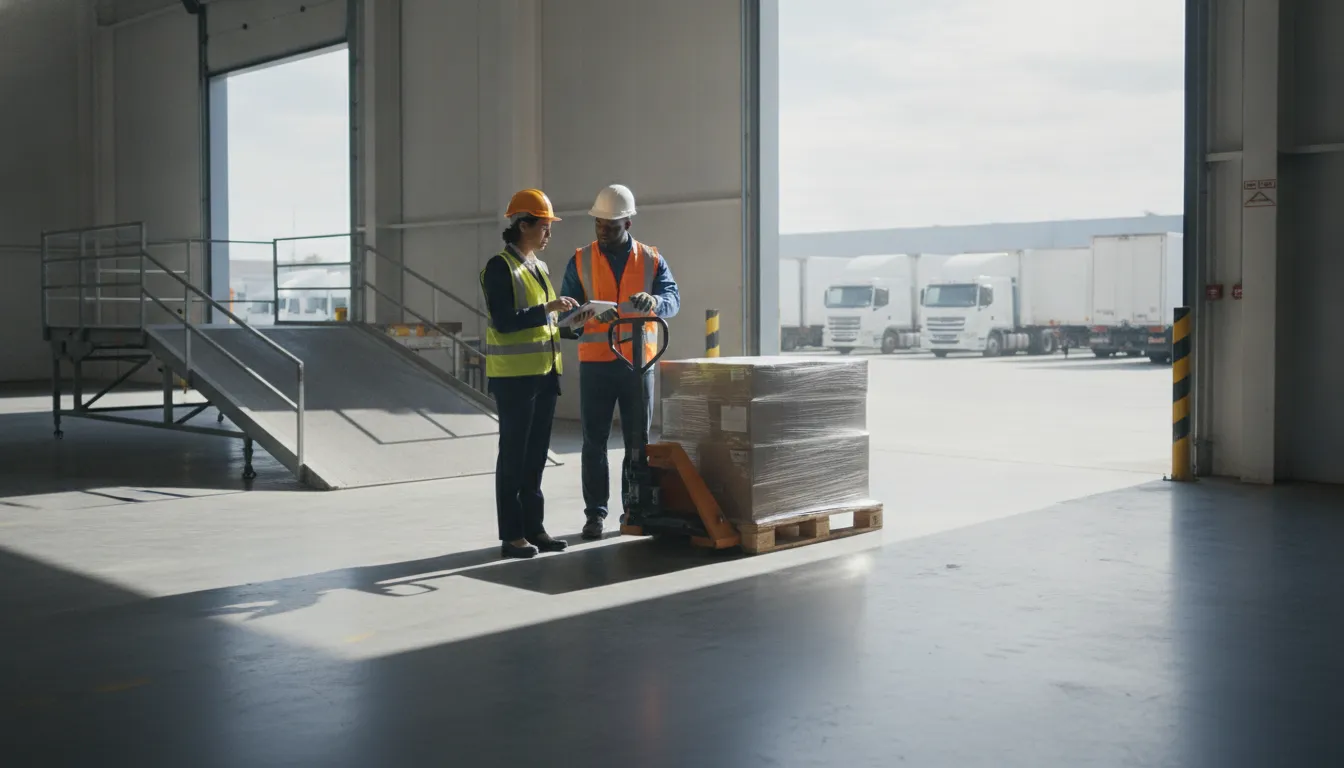
Screening should connect a candidate’s experience to the actual job, not simply confirm that a resume contains a familiar title. For transportation employers, the process may involve discussing prior duties, schedule expectations, worksite conditions, safety responsibilities. Communication, and the difference between a candidate’s claimed experience and the role the employer needs filled.
A structured process
Eclipse describes a four-step screening process that includes a documented evaluation and skills assessment. The evaluation is described as taking approximately 1.5 hours. These tools are intended to support a more informed match, while the employer remains responsible for explaining its specific requirements and supervising the work.
A useful screening conversation should also identify practical barriers before placement. Examples include start-time expectations, commute considerations, physical requirements, shift availability, and whether the candidate understands the assignment’s duration. Bringing those details forward can reduce surprises for both the employer and the worker.
Safety and fit are part of reliability
Transportation work depends on safe, consistent execution. Employers should describe relevant safety procedures, equipment, loading or unloading expectations, and reporting processes. A staffing partner can help organize the pre-placement conversation, but it should not overstate what a screening tool can predict. Skills assessments are one input among job requirements, interviews, references where applicable, and employer onboarding.
Case-by-case consideration
Eclipse supports second-chance hiring by considering candidates with criminal backgrounds or past issues on a case-by-case basis. That approach does not remove the need to review the role’s requirements or applicable employer policies. It recognizes that a past issue should be evaluated in context rather than treated as the only fact about a candidate.
After placement, support can include first-day coordination, attendance follow-up, performance conversations, and conversion planning when the employer is considering a permanent hire. These steps help make staffing a workforce process rather than a one-time resume transaction.
CDL and non-CDL transportation roles need different hiring checks
Employers should separate CDL and non-CDL recruiting needs rather than using one broad transportation job description. The distinction affects the experience, equipment, route, schedule, and documentation the employer needs to discuss. A staffing agency can organize the search, but the employer should confirm the requirements that apply to its own operation and role.
| Role group | Employer should clarify | Staffing conversation |
|---|---|---|
| CDL A or CDL B | Vehicle type, route, schedule, experience, and employer-defined credential requirements | Confirm relevant driving background, availability, communication, and role-specific expectations before presentation. |
| Non-CDL delivery or box truck | Vehicle, delivery area, lifting or loading tasks, customer interaction, and schedule | Focus on dependable attendance, safe work habits, route familiarity, and the physical requirements of the assignment. |
| Yard, dock, or material movement | Equipment, loading process, shift, worksite rules, and coordination with warehouse teams | Evaluate relevant hands-on experience, safety awareness, pace, and ability to follow site procedures. |
Why the distinction improves hiring
More precise intake helps an agency recruit toward the real opening. It also gives job seekers a clearer picture of the work. Employers should avoid listing credentials that are not necessary, while also avoiding vague descriptions that leave important safety or schedule requirements unclear.
For roles connected to a warehouse or production environment, transportation hiring may overlap with warehouse staffing and logistics staffing. That is one reason a specialized light industrial partner can be useful: the staffing conversation can account for the handoff between drivers, docks, shipping teams, and receiving teams.
Share your role requirements with Eclipse for a practical next-step recommendation.
When to use temp-to-perm, seasonal, direct hire, or EOR staffing
The best staffing model depends on the business problem. An employer with a permanent driver opening may need Direct Hire. An operation testing a new route or evaluating a new worker may prefer Temp To Perm staffing. A seasonal surge may call for a flexible workforce, while an employer that wants to keep operational supervision but reduce payroll administration may consider Payroll or EOR Services.
Temp To Perm staffing
Temp To Perm staffing creates an evaluation period before a permanent commitment. Employers can observe attendance, productivity, safety, cultural fit, and ability to learn in the real work environment. This try-before-you-hire structure can be useful when the role is important but the employer wants evidence of fit beyond an interview.
Flexible – Seasonal Staffing
Flexible – Seasonal Staffing supports volume changes, recurring peaks, and temporary capacity needs. The employer should explain the expected start and end dates, shift pattern, worksite, and possibility of extension. A documented average time to fill should be treated as context, not a promise, because each search depends on the role and market.
Direct Hire
Direct Hire may fit an employer that has a defined long-term opening, internal onboarding capacity, and a preference for direct employment from the beginning. The intake should still cover job duties, schedule, safety, experience, and the qualities that make someone successful in the operation.
Payroll or EOR Services
Payroll or EOR Services may help when the client wants to retain daily supervision while outsourcing payroll processing, tax administration, benefits, workers’ compensation, and compliance tasks. The client continues to direct the work, so this model is different from asking an agency to manage the operation itself.
These models can also be combined over time. A DFW transportation employer might use flexible staffing during a peak. It could evaluate a strong worker through Temp To Perm, then use a different administrative solution as the workforce grows. The right decision starts with the business need, not with a one-size-fits-all package.
Frequently asked questions about transportation staffing in DFW
What does a transportation staffing agency in Dallas-Fort Worth provide?
A transportation staffing agency can help define a role, recruit candidates, screen experience and skills, present workers, and support placement. The agency may provide temp-to-perm, flexible or seasonal, direct-hire, or payroll and EOR services.
What is a CDL staffing agency?
A CDL staffing agency focuses on recruiting and placing workers for employer-defined commercial driving roles. The employer should explain the vehicle, route, schedule, experience, and applicable requirements so the agency can search for a relevant match.
Can a staffing agency help with non-CDL transportation roles?
Yes. Transportation staffing can include non-CDL delivery, box truck, yard, dock, shipping, receiving, and material-movement roles. The screening focus should match the worksite, equipment, schedule, physical requirements, and safety expectations.
How does temp-to-perm staffing help a transportation employer?
Temp-to-perm staffing gives an employer time to evaluate attendance, productivity, safety, cultural fit, and learning ability before deciding whether to hire permanently. It is a try-before-you-hire approach, not a guarantee that every assignment will convert.
How should a DFW employer start a staffing request?
Start with the role, worksite, schedule, expected duration, required experience, equipment, and the operational problem the hire should solve. Eclipse can use that information to discuss a practical staffing model and next steps without publishing a fixed rate or one-size-fits-all promise.
Build a more reliable transportation workforce in DFW
Transportation hiring works best when the staffing plan reflects the actual role, route, schedule, worksite, and business need. Eclipse Light Industrial Staffing brings a local DFW focus, light industrial specialization, proactive recruiting, structured screening, and flexible staffing options to that conversation.
Whether you need CDL or non-CDL transportation workers, seasonal support, a temp-to-perm evaluation, direct-hire recruiting. Or Payroll or EOR Services, the first step is a clear discussion of your requirements. Eclipse does not publish fixed staffing rates because the right solution depends on the assignment and service model.
Contact Eclipse to request a transportation staffing consultation.
