

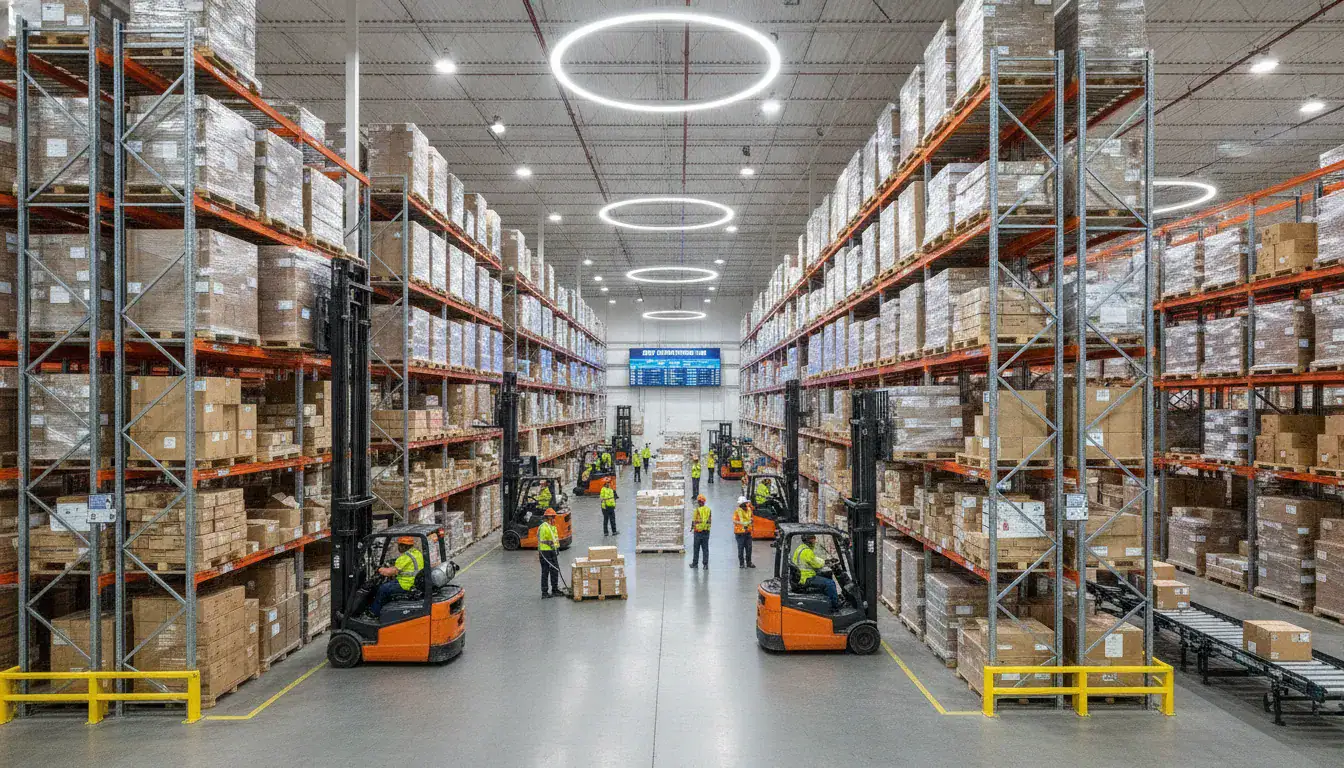
A single ghosted shift in a South Dallas warehouse can stall an entire logistics chain for days. High turnover and chronic absenteeism do more than drain your time. They threaten the work flow of every factory and shipping center in the Dallas-Fort Worth area.
Improving workforce reliability light industrial employers needs a smart mix of strict worker screening, temp-to-perm tests, and active planning for busy seasons. For businesses in the Dallas-Fort Worth area, keeping a steady labor pool means fixing the causes of missed shifts and high turnover before they hurt production. According to research on the strength of key supply chains, sudden labor shortages can clearly threaten the safety of vital logistics and factory systems. By using a 4-step screening process and skill tests, employers can check worker reliability and lower the 30% first-year pay cost linked to bad hires. This expert approach makes sure that staffing plans fit your exact work needs. It protects your plant from slow production and legal issues during busy logistics times.
Managing these risks requires a deep look at how labor issues hit your bottom line. You must look past simple rates to see how missed shifts and training hurt your plant. The path begins with a look at The Real Cost of Workforce Unreliability for DFW Light Industrial Employers.
Workforce Reliability Light Industrial Employers: The Real Cost of Workforce Unreliability for DFW Light Industrial Employers
Workforce unreliability is more than a human resources headache. For light industrial employers in the Dallas-Fort Worth area, it is a direct drain on profit. Many logistics and manufacturing firms view staffing gaps as a normal part of business. But these gaps create hidden costs that hit the bottom line every day. Reliable workers are not just a luxury. They are a core metric for financial success.
| Cost Category | Impact Description | Estimated Financial Risk |
|---|---|---|
| Absenteeism | Lost output and overtime pay | $225.8 billion annually in the U.S. |
| Bad Hires | Lower quality and re-hiring fees | 30% of the employee’s first-year pay |
| Turnover | Constant training and downtime | High risk to daily logistics flows |
| Seasonal Spikes | Missed deadlines during peaks | Increased risk of lost customer contracts |
High Financial Toll of Absenteeism
Employee illness and injury cost U.S. employers $225.8 billion each year. In the DFW light industrial sector, these costs show up as missed shipments and idle machines. Warehouse and logistics companies are prone to high absenteeism during workforce reliability peaks. When a worker fails to show up, the rest of the crew must work harder. This often leads to burnout and more errors.
DFW operations managers often pay high overtime rates to fill these sudden gaps. This reactive spending cuts into profit margins that are already thin. Proactive workforce management can help in reducing turnover and staffing risk. By planning for gaps, companies keep their production lines moving without extra costs. This keeps the work on track and the team on task.
The Steep Price of Poor Hiring
A bad hire is a heavy burden for any South Dallas warehouse or manufacturing plant. Industry data shows that a single bad hire can cost 30% of that person’s first-year earnings. This includes the price of recruiting, onboarding, and training. If the worker fails in the first few months, that entire investment is lost. High worker turnover is a major threat to stability on the shop floor. It stops growth and hurts team morale.
To avoid these costs, a strict 4-step screening process is vital. Checking skills before a worker starts helps ensure they can do the job well. This reduces the risk of early turnover and keeps the team strong. Objective data from skills tests can help managers make better hiring choices from the start. It gives you the facts you need to hire with confidence.
Operational Risks for DFW Firms
In North Ellis County and South Dallas, logistics firms face tight deadlines. Workforce unreliability can lead to late deliveries and upset clients. Seasonal spikes in demand often make these issues worse. Without a plan for peak cycles, a company might miss key growth goals. Managing these risks needs more than just a list of names. It needs a clear plan and the right partner.
Reliable staffing helps maintain a steady flow of goods. This is vital for businesses in Duncanville, Waxahachie, and beyond. When teams are stable, managers can focus on growth instead of filling holes. Investing in a reliable workforce is the best way to protect your DFW business from high costs. It ensures your plant stays open and your trucks stay moving.
Why Absenteeism and Turnover Are the Top Reliability Challenges in 2026
Keeping workforce reliability light industrial employers need is a top focus in 2026. Two main issues stand in the way of smooth work: people not showing up and people quitting. These gaps cost time and money. When a floor lacks workers, ships stop moving and lines sit idle.
Rising labor gaps and worker needs
A tight labor market makes it hard to keep a full crew. Current data shows an 8.3% vacancy rate in industrial jobs. This gap happens because many workers want more from their jobs now. About 64% of people in this field are looking for new work. This high churn rate is a big risk for plants and warehouses.
Sudden gaps can break a business. Research shows that labor shortages can hurt the safety of supply chains. For managers in South Dallas, this means more stress. They must find ways to stop workers from leaving.
Local leaders must find ways to keep staff. Using reducing turnover and staffing risk plans can help fix this problem. A steady team helps avoid the cost of hiring new people every month.
DFW market trends and local growth
The Dallas-Fort Worth area is seeing huge growth. Experts expect the warehouse workforce to grow by 14.6% by 2034. Cities like Lancaster and Waxahachie are seeing more demand for logistics staff. This growth is good, but it makes the fight for talent harder.
Firms in DeSoto and Duncanville feel these pressures every day. In Cedar Hill and Midlothian, the need for skilled labor is rising fast. These local hubs must compete with the big names in South Dallas to keep their best people.
With more options, workers may leave for a few more cents per hour. Amazon-driven demand sets a fast pace for the whole region. Large distribution hubs pull workers from smaller firms. This makes workforce reliability a key goal for local teams.
The impact of missing workers during peaks
To stay ahead, firms in Ellis County need a plan that goes beyond just hiring new faces. Missing workers cause the most harm during busy times. Most warehouse firms are at risk for high absenteeism when demand peaks.
If a few people miss a shift, the whole team slows down. This leads to late orders and lost trust with clients. It is a cycle that is hard to break once it starts. You need a way to keep work moving when things get busy.
Active management is the best way to handle these risks. You can reduce the harm of missing staff by planning early. Do not wait for a gap to open before you look for help. A steady stream of vetted staff keeps the floor moving.
This focus on reliability makes sure that your business can meet its goals even when the market is tight. When you have a solid team, you can take on more work with less worry. It is the best way to grow in a tough market.
How Seasonal Demand Spikes Threaten Operational Stability
Seasonal demand spikes are a big test for firms in North Texas. In the Dallas-Fort Worth area, hubs for freight see a huge rise in work at set times. For example, the Q4 holiday rush brings a 15% to 20% jump in volume for local firms. Without a plan, these peaks can cause gaps in your daily work. Firms that lack flexible seasonal staffing solutions often fail to keep up when orders come in fast. This lack of prep work can lead to a drop in workforce reliability light industrial employers need to stay ahead.
Peak Season Stress in the DFW Trade Zone
South Dallas is a key spot for global trade. Firms like Lineage, DSV, and WITRON have grown their work in the Lancaster trade zone lately. These large sites must handle big shifts in work all year long. Summer peaks hit food and drink makers hard as sales rise with the heat. In Lancaster, cold storage sites feel a sharp rise in work during those months. Events like Amazon Prime Day also put big pressure on firms across the area. When these spikes hit, the need for good hands grows in just a few days. If a site is not ready, the work slows down and costs rise fast.
A sudden lack of staff can hurt how well a supply chain runs. One study shows that sudden labor shortages can threaten the strength of vital systems. In North Texas, one missing crew can stall a whole plant. High demand often leads to high stress for your full-time team. If they work too many hours, they get tired and make errors. This burnout leads to more people quitting, which makes the labor gap even wider.
The Planning Window for Scaling Up
Smart leaders do not wait for the peak to start before they look for help. A good plan needs an 8 to 12 week lead time to work well. This window lets you find and check the right people before the rush hits. Using this time to build a pool of talent helps your site stay steady when work jumps. Pre-hiring keeps your output high and your costs low. It also protects your brand from the risks of slow shipping. Waiting until the last minute often leads to bad hires that hurt your goals.
Planning ahead also helps you manage pay costs better. When you have a clear view of your needs, you can avoid the high cost of last-minute overtime. It allows for better training so new workers can hit their goals from day one. In the DFW market, the race for talent is tight. Having a partner who knows the local area gives you a big edge. This prep work ensures that your full-time staff can focus on their main jobs while temp teams handle the extra load.
Risks for Sites Without a Plan
If a firm fails to plan for these spikes, the results are often bad. Missed goals and lost contracts are common when a team cannot keep up. But the biggest risk is to the safety of your people. Crews that work too much are more likely to have accidents on the job. Research on industrial sites shows that human errors are a top cause of site accidents. When workers are tired, they may skip safety steps to save time. This leads to injuries and fines. Keeping a safe site requires a crew that is well-rested.
Daily health for your site is not just about moving boxes. It is about keeping a steady pace that meets client needs without hurting your team. Reliability starts with having enough people to do the job right. In the DFW market, being a firm people can trust is how you win. Those who master the art of scaling will lead the way in their field and keep their lines moving.
Temp-to-Perm Staffing: The “Try Before You Hire” Solution to Reliability Risk
High turnover rates can stall growth for workforce reliability light industrial employers in the Dallas-Fort Worth area. Traditional hiring often feels like a gamble because resumes do not show how a person handles a long shift or a busy warehouse floor. A temp to perm staffing model solves this by letting you see a worker in action before you make a long-term commitment.
Building a better hiring plan
The first step is to partner with a staffing agency to set clear goals for the role. You must define the skills, physical needs, and shift schedules that matter most to your team. Clear plans help prevent mismatches that lead to empty seats and lost time. This phase also lets you align with a partner who knows the local DFW market and can find talent that fits your specific culture.
Once you have a plan, the agency starts the search. A rigorous 4-step screening process is essential for verifying candidate skills and improving workforce reliability. This process includes interviews and checks that ensure only workers with the right grit and background reach your facility. By doing the work early, your agency cuts down on the number of bad fits that typically slip through the cracks of a fast hiring cycle.
Vetting skills and fit
Modern staffing uses data to remove guesswork. Tools like Symphony Talent Skill Check assessments give objective data on candidate skills, reducing hiring doubt. These tests show if a worker has the math, logic, and safety skills needed for manufacturing or logistics roles. When you start with workers who have proven their skills, you lower the risk of accidents and slow production speeds.
After a worker starts, the trial period begins. Most employers use a 520-hour evaluation to see how a person performs over several weeks. Per research on manufacturing ergonomics, watching how a worker handles physical tasks over time is the best way to judge long-term fit. This trial gives you a real-world look at their attendance, work ethic, and ability to learn your specific tools and systems.
Making the final choice
During the trial, you should give regular feedback to the worker and the agency. This monitoring period helps fix small issues before they become big problems. It also shows if the worker is a good match for your permanent team. If they do well, you can move them to your payroll with confidence. If they are not the right fit, you can end the job without the legal or financial costs of a standard firing.
- Define your role: Work with your staffing partner to map out the exact skills and traits needed for the job.
- Screen and vet: Let the agency run a deep 4-step check to filter out poor or unreliable leads.
- Start the trial: Bring the candidate in for a 520-hour evaluation period on your actual shop or warehouse floor.
- Monitor performance: Watch their attendance and output closely while giving feedback to help them grow.
- Convert to perm: Offer a full-time role to the top performers who have proven they can help your business succeed.
How Rigorous Screening and Skills Assessment Deliver More Reliable Workers
For most light industrial employers, a bad hire is more than a nuisance. It is a drain on time and money. Finding workers who show up and work hard is the biggest goal for workforce reliability light industrial employers need today. At Eclipse, we do not guess about who we send to your site. We use a strict 4-step screening process to find the best fit for your team.
This method moves beyond looking at a resume. We look at work history, skills, and habits. By the time a worker reaches your floor, they have passed several checks. This proactive recruitment helps us find people who want to work. It also helps you avoid the risks of high turnover and no-shows.
The 4-step screening process
Our vetting starts long before a worker steps onto your site. We use four main stages to check every person. First, we hold a phone interview. This step helps us check for basic skills and job interest. Next, we move to a task-oriented interview. We ask questions that show if the worker can do the job. This helps us see how they handle work tasks in a warehouse or plant.
The third step is a behavioral interview. We ask about past work habits and attendance. We want to know how they solve problems and if they follow safety rules. Finally, we use temp to perm staffing trials. This lets you see the worker in action before you hire them full-time. This “try before you hire” model is the best way to lower your risk.
Objective data with Skill Check tests
We do not rely on gut feelings alone. Eclipse uses Skill Check by Symphony Talent to get data on each person. These tests are backed by more than 100 years of research in industrial psychology. With over 500 different checks, we can test for specific skills. This could be anything from math for shipping to safety rules for forklift drivers.
These checks give us an objective look at what a worker can do. It removes bias and helps us find the most qualified staff. When you have hard data, you can hire with more trust. This data-driven approach is a key part of our 4-step screening process. It ensures that the people we send to your site are ready to work on day one.
Filtering for reliability and safety
A worker with great skills is still a risk if they do not show up. That is why our screening focuses on attendance history and work ethic. We look for patterns of reliability in their past jobs. Safety awareness is also a top priority. In industrial work, one small error can lead to a big accident. We check for a strong focus on safety in every interview.
Studies in human reliability analysis show that human error is a lead cause of site accidents. By screening for safety and focus, we help you keep your plant safe. This reduces the risk of costly downtime. Our goal is to give you a team you can count on every day. Rigorous screening makes that possible.
Misclassification Risk and Compliance: What DFW Employers Need to Know
Handling a big team in the Dallas-Fort Worth light industrial sector brings many legal duties. For most plant chiefs, managing employment compliance and risk is a top concern. This is because wrong worker status can lead to large fines from the labor board. Research shows that compliance with labor rules is a major worry for firms hiring warehouse and plant staff (F024). When you use many short term workers, the line between a staff member and a contractor can get blurry. This blur creates risks that can hurt your bottom line and your brand.
Managers now make lowering misclassification risk a key part of their workforce plans (F012). They know that the cost of an audit far outweighs the cost of proper staffing. In North Texas, where the shipping market moves fast, skipping these steps is risky. You need to know the rules to keep your plant running and your business safe.
Learning the IRS 20-Factor Test
The IRS uses a set of 20 factors to decide if a worker is a staff member or a contractor. These rules look at how much control you have over the person. Do you set their hours? Do you give them tools? Do you tell them exactly how to do the job? If the answer is yes, the IRS likely sees them as an employee. In the DFW market, many light industrial firms make the mistake of using 1099 status for people who should be on payroll. This error triggers audits and leads to back taxes.
The labor board also has strict fines for these errors. You might face costs for unpaid overtime and back taxes. In some cases, firms must pay for workers’ comp fraud. For a DFW maker, a single audit can cost hundreds of thousands of dollars. Beyond the money, these legal fights pull your focus away from your main work. They slow down your output and hurt your ability to hit deadlines.
The Link Between Compliance and Workforce Safety
Compliance is not just about taxes; it is about safety. When workers are not clear on their status, safety oversight often fails. Studies on human reliability in industrial parks show that clear roles help stop site accidents (F015). If you treat staff as contractors, you might not give them the same safety training as your full-time team. This gap leads to human error and higher mishap rates. A safe floor requires every person to be part of a single, compliant system.
To keep workforce reliability light industrial employers need to ensure every person has the right legal standing. When everyone follows the same safety rules, risk goes down. This helps your team stay busy and keeps your care costs low. It also ensures that your workers feel safe and valued, which helps you keep your best people for longer.
How EOR Services Remove Employment Risk
An Employer of Record (EOR) service takes the weight of compliance off your shoulders. These payroll and EOR services help you handle the legal side of hiring (F005). They take on the role of the legal employer. This means they handle tax forms, payroll, and benefits for you. They also manage workers’ comp and help you stay in line with rules like the ACA and FLSA. This move removes the risk of misclassification for your firm.
Eclipse’s EOR services are built for the DFW market. We know the local laws and the needs of South Dallas businesses. By using an EOR, you can focus on your plant or warehouse. You do not have to worry about shifting labor laws or tax codes. We handle the forms so you can handle the work. This is the best way to build a steady team while keeping your risk at zero.
Building a Reliability-Focused Staffing Partnership: What DFW Employers Should Look For
Workforce reliability is not just a goal for light industrial firms in the Dallas-Fort Worth area. It is a basic need for staying in business. When a warehouse or plant lacks enough hands, the whole supply chain slows down. Studies show that sudden labor shortages can hurt the strength of vital systems that move food and energy. Finding a partner who values stability is the first step to long-term success for any firm.
Choose local market expertise
DFW firms should look for a partner that knows the local market well. A team that works in South Dallas or Ellis County will know the area’s labor trends and costs. These teams help local plants stay steady by providing temp to perm staffing that fits the local workforce. A focused partner like Eclipse works in the light industrial sector to boost output and cut delays in key hubs like Lancaster or Waxahachie.
A good partner does not just fill seats. They should work as an expert guide to solve business problems. This way of working ensures that the staff you get can handle your specific warehouse tasks. Picking a partner with WBE certification shows a promise to meet high standards. It also helps you support diversity in your supply chain and meets your goals for working with small firms.
Verify strong screening steps
Stability starts with a strong hiring path. You should ask about the steps a firm takes before they send a worker to your site. A four-step screening path is a great way to check skills and fit. This includes tests to make sure every new hire can do the job well. High standards in hiring lead to less turnover and better safety for your whole team on the shop floor.
Active hiring is another sign of a top partner. Some firms wait for you to call before they look for people. The best partners keep a pool of ready workers at all times to meet needs. This plan helps you fill spots fast when work spikes during busy times of the year. It also means the people sent to your site are already vetted and ready to start the job.
Focus on risk management
A steady partner must also manage legal risks. For many firms in North Texas, staying in line with labor laws is a big task. A partner that offers payroll or EOR services can take that weight off your team. This keeps your firm safe from costly errors and fines. It also lets you keep your focus on making goods and moving freight to your buyers.
You should also track how well your partner is doing. A firm that tracks time to fill and worker stays shows they care about results. These facts help you see the value of your staffing deal over time. Good workforce management leads to better stability and fewer shocks to your business. When you pick the right partner, you build a team that helps your firm grow for years to come.
How Eclipse Light Industrial Staffing Helps DFW Employers Build a Reliable Workforce
Managing a busy shop floor requires speed and care. Many companies in the Dallas-Fort Worth area face high turnover and labor gaps. These issues often come from weak screening or a lack of local market facts. By choosing an expert partner, you can stabilize your work and lower hiring costs.
Compare staffing choices for DFW employers
| Approach | Screening Rigor | Speed to Fill | Risk Mitigation | Local Expertise |
|---|---|---|---|---|
| Hire Direct | Basic vetting | Slow (weeks) | Low protection | Internal only |
| General Agency | 1-step check | Moderate | Basic support | National focus |
| Eclipse Staffing | 4-step process | 4-5 days | High (520h trial) | 15yr DFW focus |
A focused approach is vital because labor gaps can threaten the strength of supply chain systems. When you hire on your own, you often lack the tools to check skills fast. This leads to bad hires that hurt your gains. Eclipse uses a deep 4-step process to ensure every worker is ready for the job on day one.
Local support in the South Dallas corridor
Our team has spent 15 years focusing on the South Dallas logistics area. We know the specific needs of firms in Lancaster, DeSoto, and Waxahachie. This local focus helps us find talent that other agencies might miss. We do not just fill seats. We act as a strategic partner to solve your main business hurdles.
We are a WBE-certified firm that puts quality first. This status shows our tie to high standards and diversity. By using temp to perm staffing, you get a “try before you hire” time. This 520-hour trial helps in reducing turnover and staffing risk for your plant or warehouse.
Reliability through smart skills testing
Workforce reliability starts with clear data. We use Skill Check tests to vet every person before they arrive at your site. This lowers the risk of human error, which is a key cause of site accidents in work projects. Reliable workers help you keep high safety levels and keep your lines moving without delays.
Our 4-5 day time-to-fill rate keeps your work stable. Whether you need seasonal help or direct hires, we provide vetted talent that fits your team. If you need help with your labor plans, you should contact Eclipse for a talk today. We help you build a workforce that you can trust every single shift.
Frequently Asked Questions
How can DFW employers verify light industrial skills before hiring?
Employers can use data from tests like Skill Check by Symphony Talent. These tests show if a worker can handle warehouse or factory tasks. This info reduces the chance of a bad hire and makes the workforce more reliable. According to Eclipse Light Industrial Staffing, a four-step check ensures only good staff go to your site. This process helps you keep your production lines moving without any major delays.
Why should light industrial firms use a WBE-certified staffing partner?
Working with a WBE-certified partner shows you care about diversity. It also ensures you get high professional standards. These agencies have deep ties and local knowledge of the DFW job market. This help lets firms find good workers in South Dallas and Ellis County. A certified partner focuses on solving real business problems. According to Eclipse Light Industrial Staffing, these partnerships help reduce missed shifts and high turnover while building a more stable team.
How quickly can a staffing agency fill light industrial roles?
A top staffing agency in the DFW area can fill open roles in four to five days. This fast response is vital for firms facing seasonal spikes or labor gaps. Finding people ahead of time lets the agency keep a pool of workers ready to start. This speed helps keep production high in busy logistics hubs. According to KP Staffing, agencies provide the quick help needed to keep a business stable and running well.
Why is workforce reliability a key metric for staffing agencies?
Reliability metrics show how well an agency finds workers who show up and do the job well. These numbers track things like attendance and skill levels. By focusing on these facts, agencies help DFW firms keep production steady and avoid costly gaps. According to Eclipse Light Industrial Staffing, reliability is a top goal for a good partnership. This focus ensures that your plant or warehouse has the staff it needs to hit every daily goal and stay on track.
Ready to build a more reliable workforce?
Every day you wait to fix your staffing gaps leads to higher costs and slower production that hurts your bottom line in the DFW area. Failing to act now causes late orders and burnt-out teams while your competitors find the best talent and take over more of your local business. Starting your partnership today means you can focus on growing your business instead of worrying about turnover and missing workers on your industrial floor now. We serve Lancaster, DeSoto, and Duncanville with reliable staffing solutions that keep your warehouse running smoothly at all times during every peak operational cycle. Our local team understands the unique needs of Northern Ellis County where speed and accuracy are vital for your long-term success and operational stability. By choosing a WBE-certified partner now, you ensure your operations stay stable and compliant during every seasonal peak or sudden growth spurt.
Ready to build a better team? Call (972) 685-7800 to contact Eclipse for a consultation on your staffing needs.
