


To reduce employee turnover in warehouse operations, start by asking why dependable employees leave. In DFW warehouses and manufacturing facilities, the answer is rarely one issue. Turnover grows when job expectations, schedules, training, supervision, and advancement do not line up with the reality of the work.
Employers can improve retention by treating the employee experience as an operating system. Recruit for the actual role, explain the work honestly, make the first week structured, verify skills before placement, and give supervisors a clear way to address problems early. These steps support the broader goal of workforce reliability and risk management for DFW light industrial employers.
For South Dallas and Northern Ellis County employers, a local staffing partner can help build that system without asking an operations team to manage every recruiting and screening task alone.
Talk with Eclipse about building a more reliable warehouse team.
How to Reduce Employee Turnover in Warehouse Operations
Warehouse and production work is demanding. Employees may lift, stand, move through changing temperatures, operate equipment, meet hourly goals, and adjust to changing demand. When the hiring message describes one job but the first shift feels like another, trust can disappear quickly.
Look for patterns before changing the hiring plan
Start by separating avoidable turnover from departures caused by a temporary life change or a seasonal reduction in work. Review exits by role, shift, supervisor, tenure, attendance pattern, and reason for leaving. A cluster during the first 30 days points to a recruiting or onboarding problem. A cluster on one shift may point to scheduling, supervision, workload, or communication.
Common preventable causes include schedules that change with little notice, unclear attendance rules, limited training, inadequate safety preparation, poor equipment or workflow, and no visible path to more responsibility. Employees also leave when they cannot see how performance will be recognized or when a supervisor responds only after a problem has become urgent.
Retention work should therefore begin before the first day. Give candidates an accurate preview of the physical requirements, schedule, location, transportation considerations, dress and safety expectations, and performance standards. Ask whether those conditions fit their availability and goals. A realistic conversation can reduce a placement that looks successful on paper but fails after a few shifts.
Then make the job easier to succeed in. Use consistent shift-start instructions, identify the person who answers questions, and train supervisors to check in without turning every conversation into a correction. In DFW, local commute realities matter too. A candidate who cannot reliably reach a South Dallas, Lancaster, Hutchins, Wilmer, or Ellis County facility may be capable of the work but not a sustainable match.
Finally, treat safety and respect as retention tools, not compliance-only tasks. Employees are more likely to stay when they understand how to work safely, have the right equipment, and know concerns will be taken seriously. A reliable workforce is built through repeated signals that the employer planned for people to succeed.
Ask Eclipse for a retention-focused staffing conversation in the DFW area.
The Real Cost of Replacing a Production Worker
Replacing a warehouse or production employee costs more than the time spent posting a job. The operation may lose output while a supervisor covers a gap. Experienced employees may work overtime, and a new hire may need close coaching before reaching a safe and steady pace.
Measure the operational cost, not just the recruiting cost
A useful retention review tracks the full chain of impact.
| Cost area | What to measure | Why it matters |
|---|---|---|
| Coverage | Open shifts, overtime, and temporary reassignment | Shows how turnover affects staffing stability. |
| Ramp-up | Training hours and supervisor time. | Shows the investment in each replacement. |
| Quality | Errors, rework, missed deadlines, and delays. | Connects staffing changes to production outcomes. |
| Safety | Near misses and incomplete training. | Highlights risk from rushed placement or onboarding. |
| Team health | Absences, feedback, and additional resignations. | Reveals whether turnover is spreading. |
These measures help leaders decide where to intervene. If most departures happen before training is complete, improve the job preview and first-week support. If employees leave after becoming productive, examine scheduling, supervision, recognition, and learning opportunities. If turnover is concentrated in one role, revisit that role’s profile and selection process.
Do not reduce the issue to a single turnover percentage. Review voluntary and involuntary exits separately, then segment the results by shift and tenure. Pair the numbers with short stay interviews. Ask what surprised the employee, what made the work easier or harder, and what would have changed their decision. The goal is not to promise that every employee will stay. It is to identify controllable friction and remove it.
Staffing support can also reduce disruption while an employer improves its retention system. Eclipse provides warehouse, logistics, transportation, and manufacturing staffing support in the DFW market. The right model may be Temp To Perm staffing, Direct Hire, or Flexible – Seasonal Staffing, depending on the role, business need, and desired evaluation period.
Use the results to set a practical baseline. Track early attrition, attendance after 30 and 60 days, safety completion, time to productivity, and supervisor check-in completion. Review the same measures monthly so a promising change is confirmed by consistent results rather than one good hiring class.
Onboarding Strategies That Reduce Early Attrition
Onboarding is the first proof that an employer will provide the structure described during recruiting. It should be more than a packet of policies and a quick tour. A strong process gives new employees the information, practice, and human support they need to work safely and understand what good performance looks like.

Build a first-week experience with clear ownership
- Confirm the essentials before arrival. Send the start time, exact location, parking or entrance instructions, contact name, dress requirements, and what to bring. Confirm the schedule again so a preventable misunderstanding does not become a no-show.
- Start with a realistic job connection. Explain the role, pace, physical requirements, team structure, attendance expectations, and escalation path. If the assignment differs from the original description, address that before work begins.
- Make safety hands-on. Cover site rules, personal protective equipment, equipment boundaries, lifting or movement expectations, and how to report a hazard. Ask the employee to demonstrate understanding rather than relying only on a signature.
- Pair information with practice. Use a trained peer or lead to demonstrate the workflow, then observe the new employee completing a manageable task. Correct errors early and respectfully.
- Schedule deliberate check-ins. A supervisor should check in at the end of the first shift, during the first week, and again after the employee has enough experience to identify friction. Ask specific questions about the schedule, training, safety, workload, and support.
- Close the loop. Record what the employee needs next, who owns the action, and when it will be revisited. Consistent follow-through builds more trust than a one-time welcome message.
This process is especially important for employers balancing changing orders, multiple shifts, and seasonal volume. A short, repeatable checklist creates consistency without forcing every department to use the same conversation. It also gives operations leaders an early warning when a new employee is struggling with transportation, shift fit, task complexity, or training access.
Use onboarding feedback to improve the next placement. If several people ask the same question, add the answer to the pre-start communication. If new hires report that the first shift was different from the job preview, correct the recruiting message or the assignment. If supervisors skip check-ins, assign ownership and make completion visible.
Employers using a staffing partner should agree on who handles each part of the experience. Eclipse can help employers define the role, recruit candidates, screen for fit, and communicate expectations. The worksite still owns day-to-day supervision, safety execution, and the employee’s actual experience on the floor.
How Skills Assessment Improves Retention
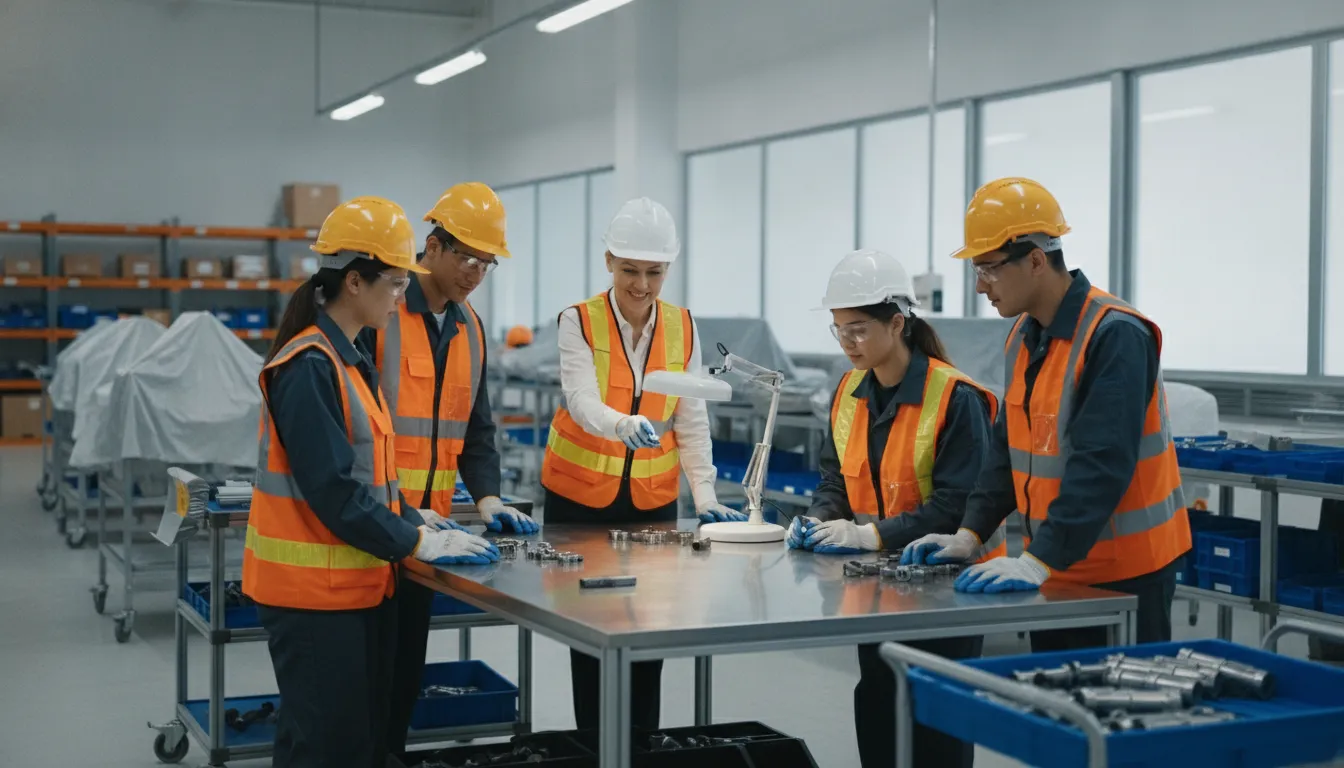
Retention improves when the person, the work, and the support around the role fit together. A resume may show previous warehouse experience, but it does not always show whether a candidate understands the pace. Reasoning, safety habits, or teamwork required for a specific assignment.
Assess the work employers actually need done
Begin with a role profile that names the essential tasks and behaviors. A shipping role may require accuracy, scanning discipline, and comfort with a defined pace. A production role may depend on quality checks, following written instructions, and communicating a defect. A forklift assignment requires the employer’s required training and authorization process, along with safe operating habits. Assessment should clarify these requirements, not create barriers unrelated to the job.
Eclipse uses Skill Check by Symphony Talent assessments, which include more than 500 job-specific, cognitive, and behavioral assessments. Used appropriately, this type of evaluation helps connect a candidate to work that matches their demonstrated abilities and development needs. It should complement a conversation, reference or background process where applicable, and an honest job preview. No assessment can replace a clear explanation of the shift or a safe, supportive worksite.
Assessment results are most useful when they change the placement decision or the support plan. A candidate who needs additional instruction may be a strong fit with structured training. Someone whose availability conflicts with the shift may be better suited to another assignment. Someone with a past issue should be reviewed case by case rather than automatically dismissed. Eclipse supports second-chance hiring by considering the full candidate context and the requirements of the role.
Employers should also create a feedback loop after placement. Compare the initial role expectations with attendance, safety completion, quality, productivity, and supervisor observations. If the placement is not working, identify whether the issue is skill, training, schedule, supervision, or job fit. That diagnosis is more useful than labeling the employee unreliable without examining the conditions.
For a DFW operation, this approach supports both speed and care. A structured screening process can help an employer move qualified candidates forward while reducing avoidable mismatches. Eclipse’s four-step screening process, average evaluation time of about 1.5 hours, background checks. And strict E-Verify compliance are part of a broader effort to make placements dependable and compliant.
Retention is not created by testing alone. It comes from using information responsibly, explaining decisions, supporting learning, and matching people to roles where they can succeed. Skills assessment is valuable because it gives supervisors a better starting point for that work.
Why Temp To Perm Placement Reduces Long-Term Turnover
Temp To Perm staffing can reduce long-term turnover when both sides use the assignment as a structured evaluation period. The employer sees how a person approaches attendance, safety, teamwork, communication, and the actual workflow. The employee sees whether the schedule, supervisors, pace, and workplace match what was promised.
Make the evaluation period clear and fair
Before the assignment begins, define what success means. The criteria may include reliable attendance, safe work practices, quality standards, learning progress, and respectful teamwork. Set a check-in schedule and explain how feedback will be shared. This prevents the employee from guessing how a permanent decision will be made.
Employers should not use a temporary placement as an excuse to delay communication. Give feedback while there is time to improve. If the role or schedule changes, say so promptly. If the employee is performing well, recognize the progress and explain the next step. If the assignment is not a fit, document the reason and consider whether another role would better match the employee’s skills and availability.
The model also helps employers improve the job itself. A new employee may notice an unclear process, an avoidable bottleneck, or a training gap that experienced team members have stopped mentioning. Invite practical feedback without promising that every suggestion will be adopted. Small improvements can make the operation easier to navigate for the next hire.
Temp To Perm is not the only answer. Direct Hire may make more sense when the employer has a clearly defined long-term role and a ready selection process. Flexible – Seasonal Staffing can support a predictable demand cycle without creating a permanent headcount commitment. Payroll or EOR Services may help an employer that needs support with employment administration. The best choice depends on the work, timing, compliance needs, and desired relationship.
In the DFW market, a local staffing partner can align recruiting with commute and shift realities. Eclipse supports employers across South Dallas and Northern Ellis County, including Lancaster, DeSoto, Duncanville, Waxahachie, Ennis, Cedar Hill, Midlothian, Ferris, Hutchins, and Wilmer. The objective is not simply to send a person to a shift. It is to create a placement that is more likely to work for both sides.
Talk with Eclipse about a Temp To Perm staffing strategy for your operation.
After a conversion or separation, review the evidence. Which expectations were met? Where did support fall short? What did the employee and supervisor learn? That learning turns each placement into a better process and helps employers reduce repeat turnover over time.
Frequently Asked Questions About Warehouse Turnover
What is the first step to reduce warehouse employee turnover?
Identify where turnover happens most often by reviewing departures by role, shift, supervisor, and tenure. Then compare the recruiting message with the actual work. If employees leave early, improve the job preview and onboarding. If experienced employees leave, examine scheduling, supervision, recognition, training access, and growth opportunities.
How can onboarding reduce employee turnover?
Effective onboarding gives a new employee accurate job expectations, clear safety instruction, a point of contact, hands-on practice, and scheduled check-ins. It also creates accountability for the employer. When the first week is structured and supervisors respond to concerns early, employees have a clearer path to safe and productive work.
Does Temp To Perm staffing help with retention?
Temp To Perm staffing can help when the assignment has clear success criteria and regular feedback. It gives an employer and employee time to evaluate job fit, schedule fit, safety habits, teamwork, and performance before making a longer-term decision. It is not a guarantee of conversion or retention, so both parties should communicate throughout the assignment.
What should employers look for in a staffing partner?
Look for a partner that understands the role, communicates expectations honestly, screens candidates consistently, supports compliance, and follows up after placement. Ask how the partner handles skill assessment, background checks, attendance concerns, safety expectations, and candidates who deserve a case-by-case review. Local knowledge helps when shift schedules and commute distance affect reliability.
Build a More Reliable DFW Workforce
Reducing turnover takes more than filling an open shift. It requires an honest job preview, consistent screening, useful onboarding, responsive supervision, and a staffing model that fits the employer’s timing and the employee’s goals. Eclipse Light Industrial Staffing brings that partnership approach to warehouse, logistics, transportation, and manufacturing employers across the DFW market.
Whether you need Temp To Perm staffing, Direct Hire, Flexible – Seasonal Staffing, or Payroll or EOR Services, start with a conversation about the role, schedule, and outcome you need. Eclipse can help you identify the practical next step without publishing or promising fixed pricing.
Contact Eclipse to discuss a retention-focused staffing solution.
