


When employers or job seekers search for a temp agency south dallas tx, they need more than a list of names. They need a local partner that understands warehouse, logistics, transportation, and manufacturing work across South Dallas and Northern Ellis County. Eclipse Light Industrial Staffing connects employers with candidates for temporary, seasonal, temp-to-perm, and permanent opportunities.
Contact Eclipse about South Dallas staffing
How a Temp Agency South Dallas TX Helps With Local Hiring
A strong local staffing conversation begins with the assignment, not a generic applicant list. An employer should be ready to explain the worksite, shift, start date, expected duration, equipment, physical requirements, safety rules, and performance expectations. A job seeker should be ready to describe work history, availability, transportation, certifications, and the shifts they can reliably accept.
Location also matters. Eclipse is based in Lancaster and serves nearby communities including DeSoto, Duncanville, Hutchins, Wilmer, Oak Cliff, Waxahachie, Ennis, Cedar Hill, Midlothian, and Ferris. Employers looking for a broader local overview can read the Lancaster and South Dallas County staffing guide.
Eclipse is a WBE-certified light industrial staffing company. Its stated focus is the connection of qualified people with employers in warehouse, logistics, transportation, and manufacturing environments. Openings and placements depend on current demand, qualifications, schedule, transportation, and mutual fit. No staffing agency can promise placement for every applicant or a worker for every request.
For employers, local knowledge can make the first conversation more useful. A staffing request should identify the facility’s exact area and shift. It should also note the distance a worker may need to travel and whether public transportation is practical. The request should explain the work pace, training, clothing, and how supervisors will measure success. These details help a recruiter present the opportunity accurately. They also help a candidate decide whether the assignment is realistic.
For job seekers, a South Dallas search should be specific rather than broad. Keep an updated resume or work history, list equipment you have used, and be clear about the shifts you can accept. Tell the staffing team about certifications, reliable transportation, and any schedule limits before an interview or assignment is offered. Honest information protects both the candidate and the employer from a poor fit.
The same principle applies when an employer has more than one facility or shift. A recruiter needs to know whether the opening is at a South Dallas, Lancaster, Hutchins, Wilmer, or nearby Ellis County location. Day, evening, overnight, and weekend schedules can attract different candidate pools. Sharing the full picture early makes it easier to discuss attendance expectations and transportation challenges before a worker starts.
Local hiring is also a partnership rather than a one-time transaction. Employers benefit from giving timely feedback after interviews and assignments. Job seekers benefit from responding promptly, arriving prepared, and reporting changes in availability. Clear communication does not guarantee a placement, but it creates better conditions for a reliable match and a more useful staffing relationship.
Which light industrial jobs are common near South Dallas?
South Dallas and the surrounding I-45 corridor support distribution, production, shipping, and transportation activity. Available roles change with employer demand, but a local temp agency may recruit for positions such as:
- Warehouse associates: Picking, packing, staging, order preparation, and inventory support.
- Forklift operators: Pallet handling, loading, unloading, and material movement when experience and site requirements align.
- Shipping and receiving workers: Inbound checks, outbound preparation, dock coordination, and shipment support.
- Production workers: Assembly, packaging, inspection, machine operation, and line support.
- Transportation support: Yard, dispatch, loading, routing, and other roles connected to moving goods.
Job seekers improve their fit by giving accurate information about equipment experience, shift preferences, transportation, and schedule limits. Employers improve their results by describing the job honestly, including lifting, standing, repetitive motion, temperature, protective equipment, and attendance expectations.
According to Eclipse’s company information, its screening model includes background checks, strict E-Verify compliance, and Skill Check by Symphony Talent assessments. The platform offers more than 500 job-specific, cognitive, and behavioral assessments. Eclipse also reviews candidates with criminal backgrounds or past issues on a case-by-case basis. That second-chance approach does not remove job requirements or guarantee eligibility.
Employers should separate must-have qualifications from skills that can be learned during orientation. For example, a site may require prior forklift experience, while another may train a dependable worker on its equipment after onboarding. The staffing conversation should identify which certifications are current and which duties require site approval. This keeps the job description accurate and gives candidates a fair way to explain their experience.
Job seekers should also prepare a few questions before responding to an opening. Ask whether the assignment is temporary, seasonal, or eligible for a later conversion. Confirm the worksite, shift, expected hours, physical requirements, and required safety gear. If the role involves a commute from Oak Cliff, South Dallas, Lancaster, Hutchins, or another nearby community, plan the route before accepting an interview or first shift.
These steps are useful for both sides because a placement is more than a start date. It is a working agreement about duties, schedule, communication, and safety. When those details are clear, employers can evaluate candidates against the real role and job seekers can make informed decisions about the opportunity.
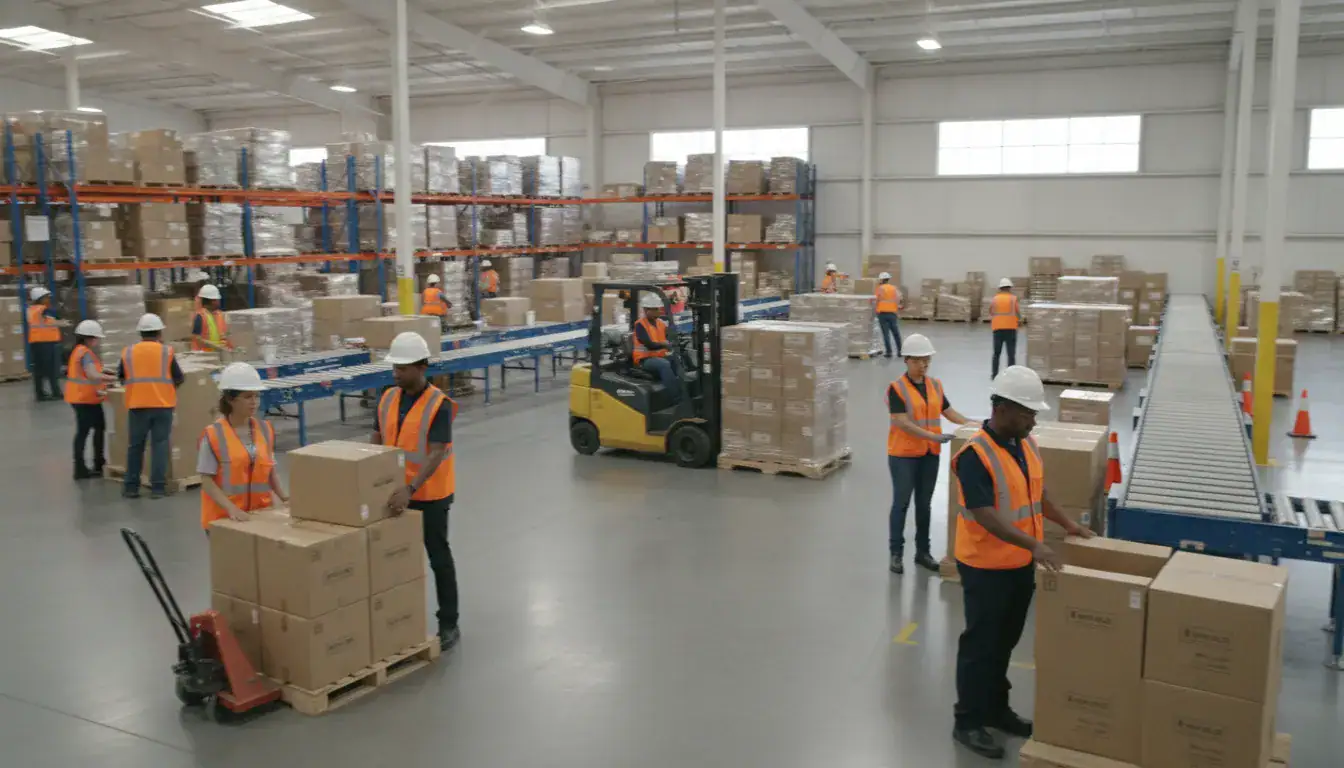
Which staffing model fits an employer’s need?
The best model depends on the employer’s goal. A seasonal operation may need flexible coverage for a defined period. Another employer may want to evaluate performance before considering a permanent offer. A different business may need a direct search or payroll administration.
| Staffing option | Useful when | Discuss first |
|---|---|---|
| Flexible – Seasonal Staffing | Demand rises for a peak, project, or defined season. | Headcount, shifts, start date, and expected duration. |
| Temp To Perm staffing | The employer wants to evaluate fit in the actual workplace. | Performance standards and possible conversion process. |
| Direct Hire | The role is intended to be permanent from the start. | Required skills, search scope, and hiring timeline. |
| Payroll or EOR Services | The employer wants agreed workforce administration support. | Payroll, employment administration, and responsibilities. |
Flexible – Seasonal Staffing can help an operation adjust to order volume without making an immediate permanent headcount decision. Temp To Perm staffing gives both sides time to observe attendance, safety, productivity, communication, and workplace fit. Direct Hire supports a permanent search from the beginning. Payroll or EOR Services can support agreed payroll and employment administration while the client directs day-to-day work.
Pricing and service terms are consultative. Employers should discuss role requirements, volume, schedule, and the desired staffing model rather than expect a fixed published rate. Learn more about Flexible – Seasonal Staffing and Temp To Perm staffing.
Request workers for a South Dallas operation
How does Eclipse screen candidates?
Screening should reflect the actual job. Eclipse’s published service information describes a four-step screening process and evaluations that average about 1.5 hours. Those details are intended to give employers more information before a worker begins, but screening is not a substitute for clear job requirements or on-site management.
Employers should provide accurate details about equipment, schedule, safety expectations, physical conditions, and performance standards. Candidates should be candid about experience and availability. Background checks and E-Verify compliance are part of the stated process. Assessment results can add context, while the final fit still depends on the position, qualifications, employer requirements, and lawful hiring decisions.
A practical screening conversation should connect the candidate’s experience to the assignment’s real duties. For a warehouse role, that may mean discussing picking accuracy, pallet movement, loading procedures, scanning systems, or prior shift work. For a production role, it may mean discussing quality checks, repetitive tasks, machine familiarity, and the ability to follow written or verbal instructions. The employer remains responsible for explaining site-specific training and safety procedures after placement.
Screening also works best when it is a two-way process. Candidates should ask about the schedule, location, expected duration, physical demands, dress or safety requirements, and who will provide day-one instructions. Employers should explain how attendance, productivity, and safety are evaluated. A clear exchange reduces surprises and gives both sides a better basis for deciding whether to move forward.

Is Temp To Perm staffing a good fit?
Temp To Perm staffing can fit an employer that wants to see a candidate perform the real job before making a permanent decision. The employer can observe reliability, safety, productivity, communication, and the ability to learn. The candidate can evaluate the schedule, supervision, workplace, commute, and daily expectations.
Both sides should define success before the assignment begins. They should also discuss how feedback, schedule changes, attendance concerns, and possible conversion will be handled. A permanent offer depends on the employer’s opening, business needs, performance, and mutual agreement. Conversion is possible, but it is not automatic or guaranteed.
This model is especially useful when a resume cannot show how someone will perform in a particular setting. An employer may need to see how a worker handles a busy dock, follows a production sequence, communicates with a lead, or adapts to a changing workload. A candidate may want to confirm that the commute, hours, supervision, and daily work match what was described. The evaluation should remain fair, job-related, and tied to the expectations shared at the start.
Temp To Perm is not the only reasonable choice. A short seasonal need may call for Flexible – Seasonal Staffing, while a permanent opening may be better suited to Direct Hire. Payroll or EOR Services may fit an employer seeking administrative workforce support. Discussing the goal before selecting a model helps prevent a mismatch between the service and the business need.
Employers should also decide how they will communicate during the evaluation period. Set a point of contact, confirm how attendance or safety concerns will be reported, and schedule a time to review progress. Job seekers should ask whom to contact if the schedule or assignment details change. These simple steps support accountability without promising that every assignment will become permanent.
The model can be a practical bridge for people who want to demonstrate current skills. It can also help a growing operation test a new shift or process before adding permanent headcount. The right decision depends on the employer’s need, the candidate’s goals, and the terms discussed before work begins.
Before an assignment starts, confirm the practical details in writing or through the staffing contact. Review the reporting location, arrival time, required clothing, safety gear, supervisor, pay schedule, assignment length, and procedure for reporting an absence. Employers should confirm who handles questions on the first day. Candidates should ask for clarification instead of guessing. A clear start protects the relationship and makes the first shift more productive.
After the first day, useful feedback should be prompt and specific. Employers can share whether the worker met the stated expectations. Candidates can share whether the job matched the description and whether transportation or scheduling created a barrier. Early feedback gives the staffing team a chance to solve a manageable issue before it becomes an attendance or retention problem.
How can employers and job seekers get started?
- Define the goal: Identify the role, assignment type, shift, worksite, and desired start date.
- Share the details: Explain skills, equipment, physical requirements, transportation, schedule limits, and safety expectations.
- Choose a path: Discuss Flexible – Seasonal Staffing, Temp To Perm staffing, Direct Hire, or Payroll or EOR Services.
- Complete the next step: Employers can submit a staffing request. Job seekers can review current opportunities and apply through the appropriate Eclipse listing.
Job seekers can review the staffing guide for job seekers before applying. Employers should provide a precise location and explain parking or transportation information, lifting, standing, repetitive work, temperature changes, and protective equipment requirements.
Talk with Eclipse about your South Dallas staffing goal
Frequently Asked Questions
What should I look for in a temp agency South Dallas employers can trust?
Look for local light industrial experience, clear communication, practical screening, compliance procedures, and staffing options that match the assignment. Ask how the agency handles job details, candidate expectations, updates, and next steps.
Does Eclipse provide warehouse and manufacturing staffing?
Yes. Eclipse focuses on warehouse, logistics, transportation, and manufacturing staffing across South Dallas and nearby Northern Ellis County communities. Openings depend on current demand and candidate fit.
Can a temporary job become permanent?
A Temp To Perm assignment may lead to permanent employment when the employer has an opening, the candidate meets expectations, and both sides agree. Conversion is possible, but it is not guaranteed.
Does Eclipse publish staffing rates?
No fixed staffing rates are published. Pricing and service terms are consultative. Employers should contact Eclipse to discuss their needs
