
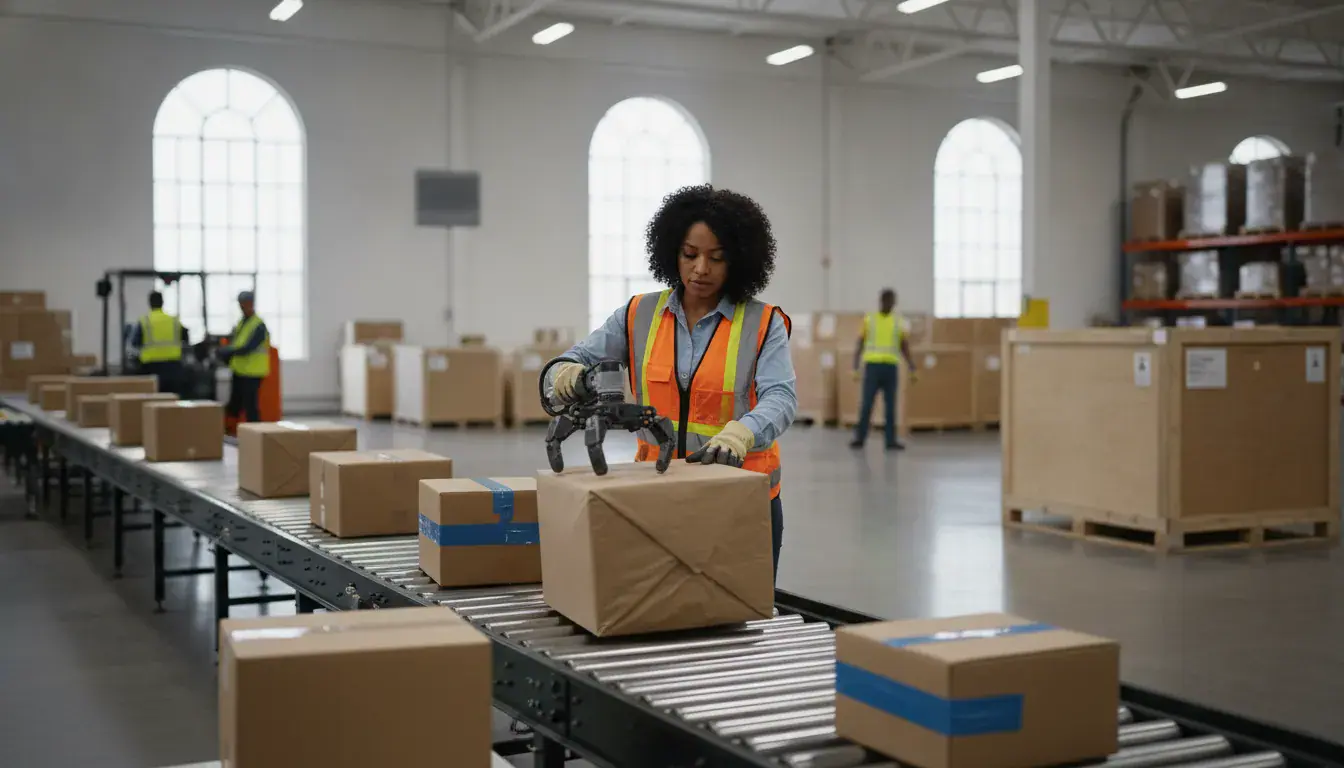
Material handler work keeps Dallas-Fort Worth warehouses, distribution centers, and production operations moving. The role can include receiving shipments, staging products, preparing orders, loading or unloading materials, and keeping work areas organized. Read each opening carefully because duties, schedules, and qualifications vary by listing.
For job seekers exploring light industrial jobs dallas tx, material handler positions can provide entry-level and experienced pathways across DFW, including temporary, seasonal, and Temp To Perm opportunities. Many roles emphasize reliability, safe work habits, physical readiness, and accurate material movement. Forklift certification may be required for some openings, but it is not universal.
View current light industrial jobs
Understanding the daily work is the best place to start. Here is what material handlers typically do and how those responsibilities can differ by workplace.
What Does a Material Handler Do in Dallas-Fort Worth?
A material handler helps keep products, supplies, and freight moving through a warehouse, stockroom, manufacturing plant, or another worksite. The job may involve physical movement, careful organization, and following instructions so materials reach the right place safely and on time. The exact duties depend on the employer, facility, shift, and type of inventory.
Core material handler duties
The U.S. Bureau of Labor Statistics describes hand laborers and material movers as workers who manually move freight, stock, or other materials. In a typical DFW role, that can mean loading, unloading, stacking, sorting, staging, or transferring items between work areas. You may also prepare materials for the next process, keep items organized, and check that movement instructions are followed.
Some positions include feeding materials to machines or removing finished materials from them. Other duties may include packing materials for shipment, cleaning vehicles, or handling unwanted goods. These tasks require attention to detail because a misplaced item, damaged package, or incomplete movement can slow down an entire operation. Review each listing carefully, since one employer may emphasize packing while another focuses on receiving, order movement, or production support.
Where material handlers work
Material handlers can work in stockrooms, warehouses, manufacturing plants, and other settings, according to the Bureau of Labor Statistics. In Dallas-Fort Worth, the work environment may range from a distribution facility to a production floor or storage area. Conditions can vary as well. Some roles involve frequent walking and lifting, while others involve repeated work at a station or movement between several areas.
If you are comparing local opportunities, the DFW warehouse job search guide can help you understand how warehouse roles differ before you apply. Do not assume that every material handler position has the same schedule, physical demands, or advancement path.
Equipment and movement tasks
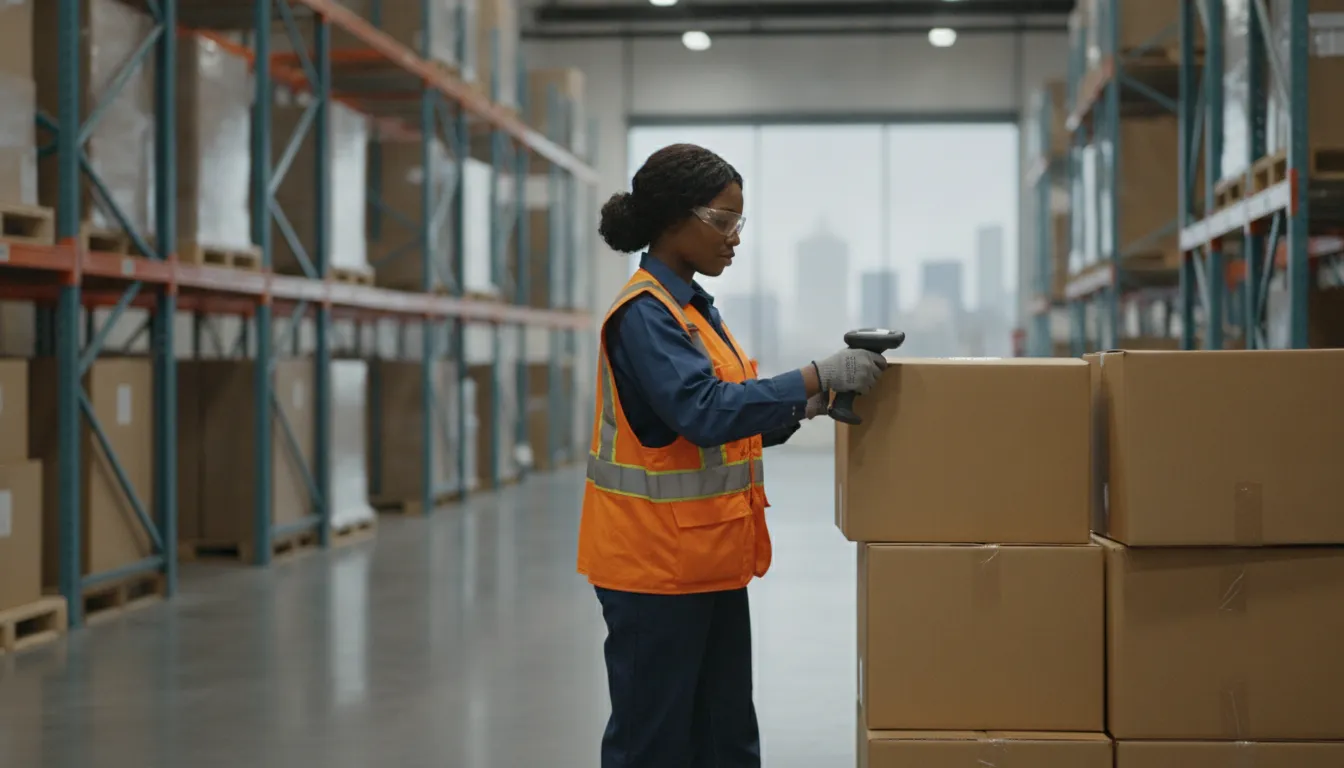
Some material handlers perform manual movement, while related roles use equipment to transport objects. BLS explains that material moving machine operators may move goods around factories and storage areas. Depending on the position, equipment could support movement through aisles, storage areas, or production spaces. A job listing should identify the equipment involved and explain whether prior experience or role-specific training is expected.
That distinction matters when you search for light industrial jobs dallas tx. A material handler opening may center on hand movement and staging, or it may combine those duties with equipment operation. Read the responsibilities first, then compare them with your experience, comfort level, and interest in learning the facility’s processes.
What Types of Light Industrial Jobs Are Available in DFW?
Job seekers searching in Dallas-Fort Worth may see several employment categories for warehouse, manufacturing, transportation, and related work. These labels describe how the job is structured, not a promise that every category is open in every city or on every day. Search-result pages may show full-time, contract, part-time, temporary, and other filters, while individual listings can vary by employer, shift, location, and duties.
The Bureau of Labor Statistics reports that most hand laborers and material movers work full time, although part-time work is common and schedules may include nights and weekends. Material-moving machine operators may also work overnight because goods move through many facilities around the clock. That makes it important to read the complete listing before applying. Especially if you need a specific schedule in Lancaster, South Dallas, DeSoto, Hutchins, Wilmer, or another DFW-area community.
| Category | What it may mean | What to confirm |
|---|---|---|
| Full-time | A regular schedule with consistent weekly hours. | Shift, start time, days worked, overtime, and benefits. |
| Part-time | Fewer scheduled hours or selected shifts. | Minimum hours, schedule changes, and availability expectations. |
| Temporary | Work connected to a defined assignment or staffing need. | Assignment length, extension possibilities, and next steps. |
| Seasonal | Additional help during a recurring or busy period. | Expected season dates, hours, and whether the role may continue. |
| Contract | Work performed under a stated assignment arrangement. | Employer, term, duties, schedule, and conversion terms if offered. |
| Temp To Perm | A temporary assignment that may create a path to direct employment. | Whether conversion is possible, timing, performance expectations, and employer requirements. |
Eclipse offers temporary, seasonal, and Temp To Perm staffing. With Temp To Perm, a candidate can experience the day-to-day work while the employer evaluates skills, work ethic, fit, and adaptability. It is a possible pathway, not a guarantee of permanent employment. The same principle applies to contract and seasonal roles: the listing should explain the assignment and any potential continuation.
Role names can also point to different work. DFW search results may include warehouse operations, manufacturing, maintenance, machine-operator, production, assembly, packing, and material-moving positions. A forklift assignment is more specialized than every material handler role, so review the requirements for each opening. You can explore South Dallas forklift operator jobs when that type of work matches your experience or goals.
Before you apply, compare the location, shift, physical duties, required experience, and employment category with your availability. Current openings change, so use the live listings rather than assuming that an example from a search page is still available.
View current light industrial jobs and apply for openings
What Qualifications and Safety Skills Matter?
Material handler requirements can differ by employer, facility, shift, and listing. Some entry-level roles may not require formal education, and the U.S. Bureau of Labor Statistics explains that workers commonly learn through on-the-job training lasting one month or less. Read each posting carefully rather than assuming every warehouse job has the same standards.
Review the basic job requirements
- Check education and physical expectations. Many hand material handler positions have no formal education requirement. A listing may still require repeated lifting, standing, walking, bending, or moving materials safely. Eclipse job-seeker guidance identifies repeated lifting of 50 or more pounds as a possible entry-level expectation, but the actual weight, frequency, and equipment requirements vary by position.
- Confirm communication, attendance, and transportation needs. Basic English may be requested so workers can understand safety instructions, labels, and supervisor directions. Reliable attendance and transportation can matter when a facility operates early, late, or far from public transit. Shift availability also varies. Listings may cover daytime, evening, overnight, weekend, full-time, part-time, temporary, or seasonal schedules.
- Understand the screening process. Some opportunities may require a background check, drug screening, interview, skills testing, or other selection steps. Be accurate about your work history and ask what the specific listing requires. Screening expectations are not identical for every role, and completing a screening step does not guarantee placement.
Know when forklift training applies
Not every material handler job requires forklift certification. A role focused on hand loading, packing, picking, staging, or general warehouse support may not involve powered industrial trucks. Forklift operator positions are different skilled roles, so review South Dallas forklift operator jobs and the individual listing for certification or experience requirements.
Put safety before speed
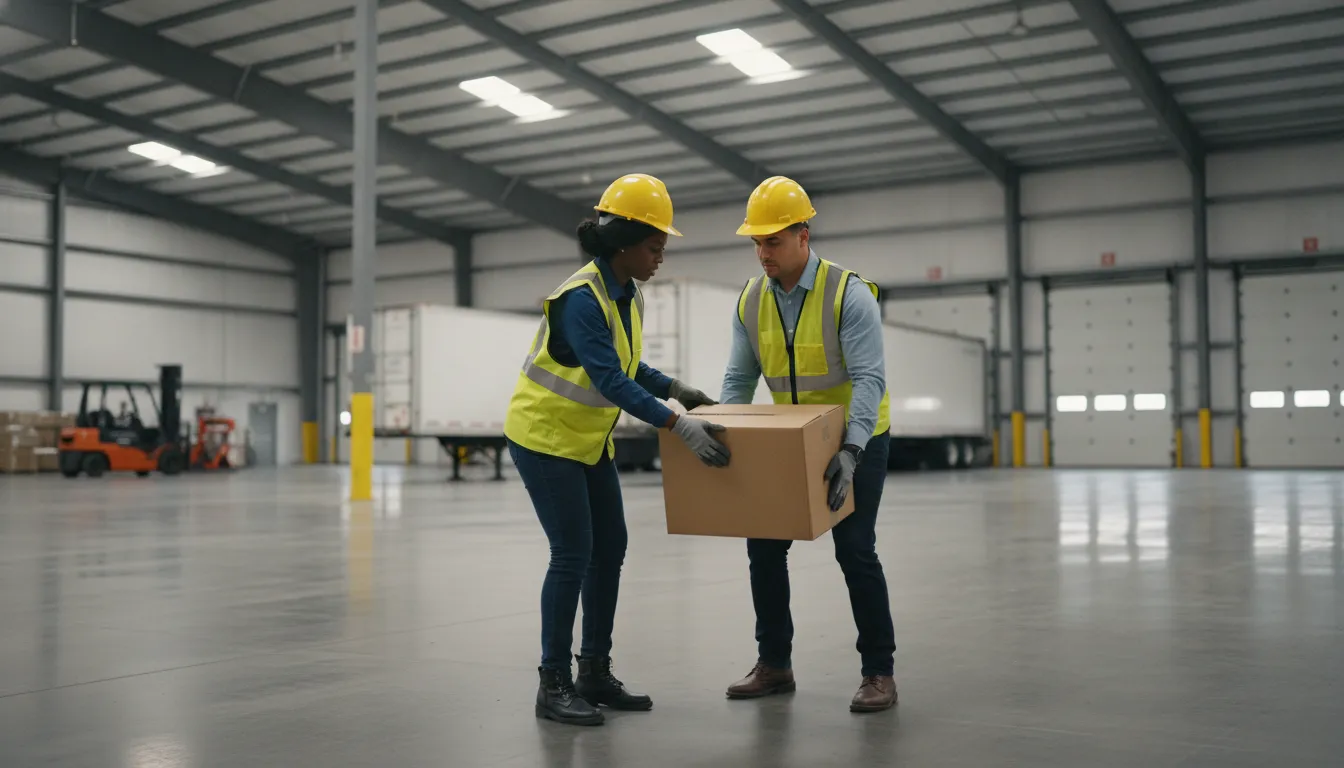
OSHA defines a powered industrial truck as a mobile, power-propelled truck used to carry, push, pull, lift, stack, or tier materials. Employers must ensure that only trained operators who complete the required program operate this equipment. Training combines formal instruction, practical exercises, and workplace performance evaluation. OSHA also requires operator evaluations during initial training and at least every three years, with refresher training in certain situations. Such as unsafe operation, an incident, a different truck type, or a change in workplace conditions.
Before operating a truck, follow the employer’s inspection process. NIOSH notes that powered industrial trucks must be inspected daily before service. Or after each shift when used around the clock, and operators need adequate training to conduct inspections properly. If a listing mentions forklift certification, ask whether the employer provides training or expects certification before applying. If it does not, focus on the safety, attendance, lifting, and schedule requirements actually stated.
How Much Do Material Handler Jobs Pay?
Pay for material handler work depends on the specific job, not just the title. Employers may use “material handler” for manual movement, packing, loading, inventory support, or a role that also involves powered equipment. Shift timing, physical duties, experience, location, and the employer’s requirements can all affect the offer listed for a position in the Dallas-Fort Worth area.
The U.S. Bureau of Labor Statistics wage data for hand laborers and material movers offers national context, but it is not a Dallas-area wage guarantee or an Eclipse pay promise. Local compensation can vary with duties, shift, experience, location, equipment, and employer requirements. Use the specific listing to understand the compensation that applies to the assignment.
Why local listings can vary
Two material handler jobs in the same region may have different pay because the work is not identical. A position focused on hand loading, pallet movement, packing. Or stockroom support may have different requirements from one involving heavier materials, specialized inventory systems, extended standing, or a fast production schedule. Day, evening, overnight, and weekend shifts may also be posted differently. Employers may consider prior warehouse experience, attendance history, equipment familiarity, and the level of training provided when setting a listing’s compensation.
Read the full job description rather than relying on a job title alone. Check the stated schedule, essential duties, physical requirements, location, and any certification language. For additional local wage perspective, review this DFW warehouse pay context, while remembering that published ranges and individual offers can change.
Material handlers and equipment operators are not always the same role
Some jobs include forklift or other powered-equipment duties, but that does not make every material handler position an operator role. BLS publishes separate wage data for material moving machine operators. Those workers use equipment to transport objects, and some work overnight because materials move around the clock. Comparing operator data directly with a hand material mover position can create an inaccurate expectation.
Use the wage figures as broad national context, then evaluate each DFW listing on its own terms. The most useful questions are what duties you will perform, which shift you will work. What training is provided, and whether the stated pay applies to the exact assignment.
How to Find Light Industrial Jobs Dallas TX as a Material Handler
Applying for material handler work is easier when you treat each listing as a specific assignment, not a generic warehouse application. Duties, shift times, physical expectations, transportation needs, and screening steps can differ between employers. Eclipse Light Industrial Staffing is headquartered in Lancaster and serves Dallas-Fort Worth, including South Dallas County and nearby industrial communities. Its focus includes warehouse, logistics, and manufacturing roles, but a listing should always be your source of truth for the position you want.
Use this process to prepare for light industrial jobs in Dallas, TX without assuming that every opening has the same requirements:
- Find a current listing. Start with Eclipse’s jobs page and review the available postings. Search by job title and location, then confirm that the posting is still live before preparing your application. Do not assume that a material handler opening is available simply because the role appears in a general career guide.
- Check the duties, shift, and requirements. Read the full listing for lifting or movement expectations, work location, schedule, attendance standards, transportation needs, and any required experience. Some roles may involve day, night, weekend, or rotating schedules. Forklift certification is role-specific, so do not assume it is required for every material handler position. If the listing is unclear, write down your questions before speaking with the staffing team.
- Prepare your work history and availability. Have an accurate summary of recent warehouse, manufacturing, logistics, shipping, receiving, picking, packing, or equipment experience. Include the types of work you performed and the shifts you can reliably accept. Be ready to explain your transportation plan and availability honestly. Eclipse’s screening process includes recruitment, interview, testing, and selection, so specific examples of dependable attendance, safe work habits, and learning new tasks can help you communicate your fit.
- Be ready for screening. Follow the instructions in the listing and respond promptly to requests for an interview, testing, background screening, or other hiring steps. Bring accurate information and ask what happens next. Eclipse also offers Temp To Perm staffing, which can allow a candidate to experience a company’s day-to-day work while the employer evaluates fit. That pathway is listing- and employer-dependent, not a guarantee of permanent placement.
Before applying, compare the schedule and duties with your actual availability. A complete, honest application is more useful than claiming experience or flexibility you cannot provide.
View current light industrial jobs and apply for positions that match your goals.
Frequently Asked Questions
Do material handler jobs require a college degree?
Usually not. The U.S. Bureau of Labor Statistics says hand laborer and material mover roles typically have no formal education requirement. With training commonly completed on the job in one month or less. Individual listings may still specify physical, attendance, screening, or communication requirements. BLS career information provides national occupational context.
Do I need forklift certification for every material handler job?
No. Forklift certification is role-specific, and some material handler positions focus on picking, packing, loading, unloading, or manual movement. If a position involves a powered industrial truck, OSHA requires employers to ensure operators complete the required training and workplace evaluation. Read each listing carefully and describe any equipment experience accurately.
What schedules are common for material handler work?
Schedules vary by employer, facility, and shift. Full-time work is common, while part-time opportunities may also be available. Nights, weekends, and overnight shifts can occur because warehouses and distribution operations may run around the clock. Confirm the start time, days, overtime expectations, and transportation needs before accepting an assignment.
How much do material handler jobs pay?
Pay depends on the employer, duties, shift, experience, and whether the role involves specialized equipment. National BLS data can provide context, but it is not a Dallas-area or Eclipse pay promise. Use the specific listing for applicable compensation details.
How do I apply for light industrial jobs in Dallas, TX?
Start by reviewing the live jobs page and selecting positions that match your experience, availability, transportation, and physical capabilities. Prepare an accurate work history, note any forklift or warehouse equipment experience, and be ready for interview, testing, and selection steps. Follow the instructions in each listing because requirements and next steps can differ.
Ready to Find Your Next Material Handler Job?
Material handler opportunities can vary by employer, shift, duties, and qualifications. Reviewing each listing helps you focus on roles that fit your experience and availability. View current light industrial jobs and apply through Eclipse’s live job listings to take the next step.
