

A warehouse associate role can be a practical entry point into DFW logistics and manufacturing, but the title covers more than one kind of work. Your day may include receiving materials, picking orders, staging shipments, operating equipment, or supporting production, depending on the assignment and facility.
View current warehouse and manufacturing jobs in DFW
Light industrial manufacturing staffing Dallas connects job seekers with assignment-specific opportunities by helping match their experience, availability, transportation, and safety habits to warehouse and manufacturing employers. A staffing partner can explain the work, shift, physical expectations, screening steps, and training responsibilities before a candidate accepts an assignment. Temp-to-perm work may provide a chance to evaluate the role and workplace, but permanent conversion is not guaranteed.
Understanding the daily responsibilities makes it easier to identify roles that fit your skills and prepare useful questions before applying. Start with what employers commonly mean when they describe a warehouse associate position.
What Does a Warehouse Associate Do in DFW?
A warehouse associate helps keep products, materials, and orders moving through a facility. The exact assignment can change by employer, shift, and operation, but the work usually combines physical activity, careful attention to detail, and dependable teamwork. In Dallas-Fort Worth, warehouse associates may support distribution centers, manufacturers, transportation operations, or smaller facilities serving local customers.
Common Responsibilities
A typical role may include unloading deliveries, checking quantities, labeling inventory, moving materials, picking products, packing orders, and preparing shipments. Some associates support production by supplying materials to a line, removing finished goods, or keeping work areas organized. Others may use pallet jacks, scanners, carts, or forklifts when trained and authorized by the employer.
Job titles can overlap. A material handler, for example, may spend more time moving and staging materials, while a shipping and receiving associate may focus on incoming and outgoing freight. Reviewing Dallas light industrial jobs can help you compare related duties before applying.
How a Shift May Flow
At the start of a shift, you may attend a team meeting, review priorities, receive safety reminders, and collect the equipment needed for your assignment. The main part of the day could involve repeated lifting, walking, scanning, staging, loading, or production support. Supervisors may track accuracy, attendance, safe work habits, and whether orders or materials are ready when needed.
Before leaving, associates may complete a final count, return equipment, clean the work area, and communicate unfinished tasks to the next shift. Schedules and physical demands vary, so ask about start times, required lifting, temperature conditions, overtime, and training for the specific opening.
Skills That Help You Succeed
Employers commonly value consistent attendance, willingness to follow instructions, safe lifting habits, and the ability to work at a steady pace. You may also need to read labels, verify numbers, communicate with coworkers, and stay focused during repetitive tasks. Be accurate about your equipment experience and availability when speaking with a staffing partner. That information helps match your background to a role that fits the assignment, your commute, and your goals.
Warehouse Associate Duties Across Manufacturing and Logistics
Warehouse associate work can look different from one assignment to the next. A distribution center may focus on order accuracy and shipping speed, while a manufacturing operation may need dependable material movement between receiving, storage, production, and finished-goods areas. The table below shows common duty groups and the habits that help candidates work safely and consistently.
Common work areas and tasks
| Work area. | Common tasks. | Useful habits. |
|---|---|---|
| Receiving and material handling | Unload deliveries, inspect counts and visible condition, label or stage materials, put products into assigned locations, and move supplies with approved equipment. | Check instructions before moving a load, keep aisles clear, verify item numbers, and report damage or count differences promptly. |
| Picking and packing | Read pick tickets or scanner directions, locate products, confirm quantities, pack orders, apply shipping labels, and stage completed cartons. | Work methodically instead of rushing, scan or double-check each item, protect products during packing, and ask when an instruction is unclear. |
| Production support | Supply components to workstations, move work-in-process materials, load or unload production equipment as trained, assemble parts, or support machine operators. | Arrive ready for the shift, follow the documented process, maintain a clean work area, and communicate shortages before they interrupt the line. |
| Quality and shipping support | Check finished goods against work instructions, separate damaged or questionable items, prepare pallets, verify orders, and stage shipments for pickup. | Pay attention to details, keep completed and incomplete work separated, record issues accurately, and confirm the next handoff with a lead. |
How duties can vary by assignment
Some roles combine several rows in the table. A material handler may receive freight in the morning and supply a production area later in the shift. A shipping associate may also pick orders or help with inventory counts. Equipment requirements, lifting expectations, shift schedules, and training should always be confirmed for the specific opening rather than assumed from the job title.
If you are comparing opportunities, review warehouse jobs across Dallas-Fort Worth and look for the duties that match your experience, transportation plan, and preferred work environment.
Habits employers notice
Reliable attendance, careful reading, respectful communication, and a willingness to ask questions are valuable across warehouse, logistics, and manufacturing assignments. You do not need to claim experience you do not have. Be clear about the equipment, processes, shifts, and physical tasks you have handled so the assignment can be evaluated for fit.
What Safety and Reliability Expectations Should You Know?
A warehouse assignment can be a good way to build experience, but you should understand the safety and attendance expectations before your first shift. Temporary workers may be new to a job, and NIOSH identifies that lack of familiarity as a known risk factor for occupational injuries and illnesses. NIOSH also says temporary workers face unique safety challenges, so asking clear questions is part of preparing for the role.
Ask how safety training and equipment are handled
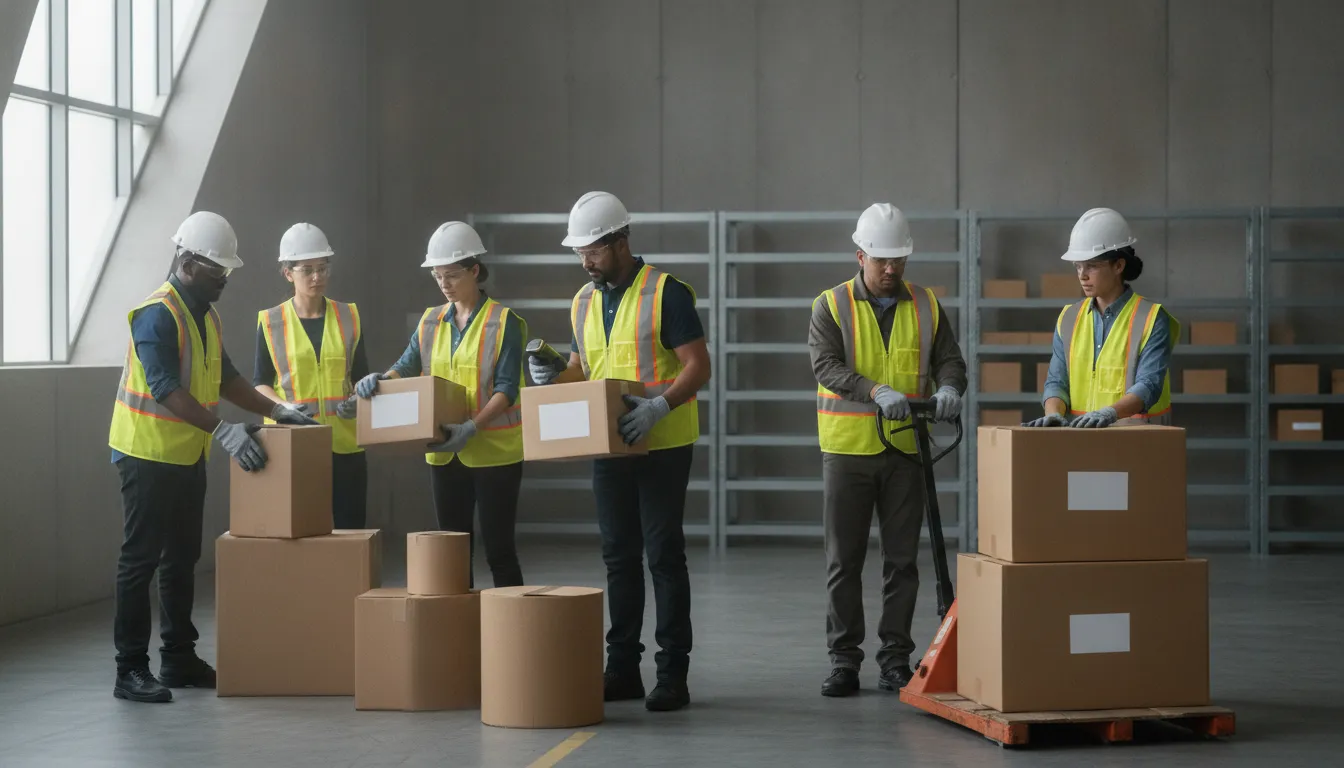
Before accepting an assignment, ask who provides orientation, when job-specific training occurs, and how you will be shown the correct way to perform unfamiliar tasks. Ask which personal protective equipment is required, whether it is supplied, and who replaces it when it is worn or damaged. You should also understand who supervises your work and where to report a hazard, near miss, injury, or equipment problem.
These questions matter because NIOSH cites research in which more than 40% of temporary workers reported never receiving safety training from either their staffing company or host employer. Safety is a shared responsibility: NIOSH states that host employers and staffing companies are jointly responsible for protecting temporary workers’ safety and health. Read more about manufacturing staffing safety practices and ask for assignment-specific details rather than assuming every facility follows the same process.
Reliability includes attendance, reporting, and honest communication
Reliability means arriving on time, following the assigned process, using equipment only as trained, and reporting concerns promptly. Ask about the shift schedule, call-off procedure, break policy, physical demands, and how fatigue concerns should be raised. If you have experience with powered equipment, be accurate about your training and authorization. If you are not sure how to complete a task safely, stop and ask for guidance instead of guessing. Candidates considering equipment-focused work can also review forklift operator jobs in South Dallas.
Ready for your next opportunity? View current warehouse and light industrial jobs.
How Light Industrial Manufacturing Staffing Dallas Connects Job Seekers to Work
A staffing partner can help connect your experience, availability, and goals with warehouse and manufacturing openings in the DFW area. Eclipse focuses on light industrial roles near Lancaster and South Dallas, as well as communities such as DeSoto, Hutchins, Waxahachie, and Midlothian. An opening is always assignment-specific, so the best match depends on the employer’s needs and your qualifications.
Screening that looks beyond a job title
Eclipse uses a four-step screening process to learn about your work history, availability, skills, and fit for a specific assignment. The process may include job-relevant assessments. These assessments are intended to help match candidates with work that aligns with their abilities and the role’s requirements. They do not guarantee placement, performance, safety, or a particular outcome.
Be straightforward about equipment you have used, tasks you can perform safely, shifts you can work, and how far you can reliably travel. Accurate information helps the staffing team present you for opportunities that make practical sense. It also gives you a clearer picture of what an assignment may involve before you accept it.
Local opportunities and a possible next step
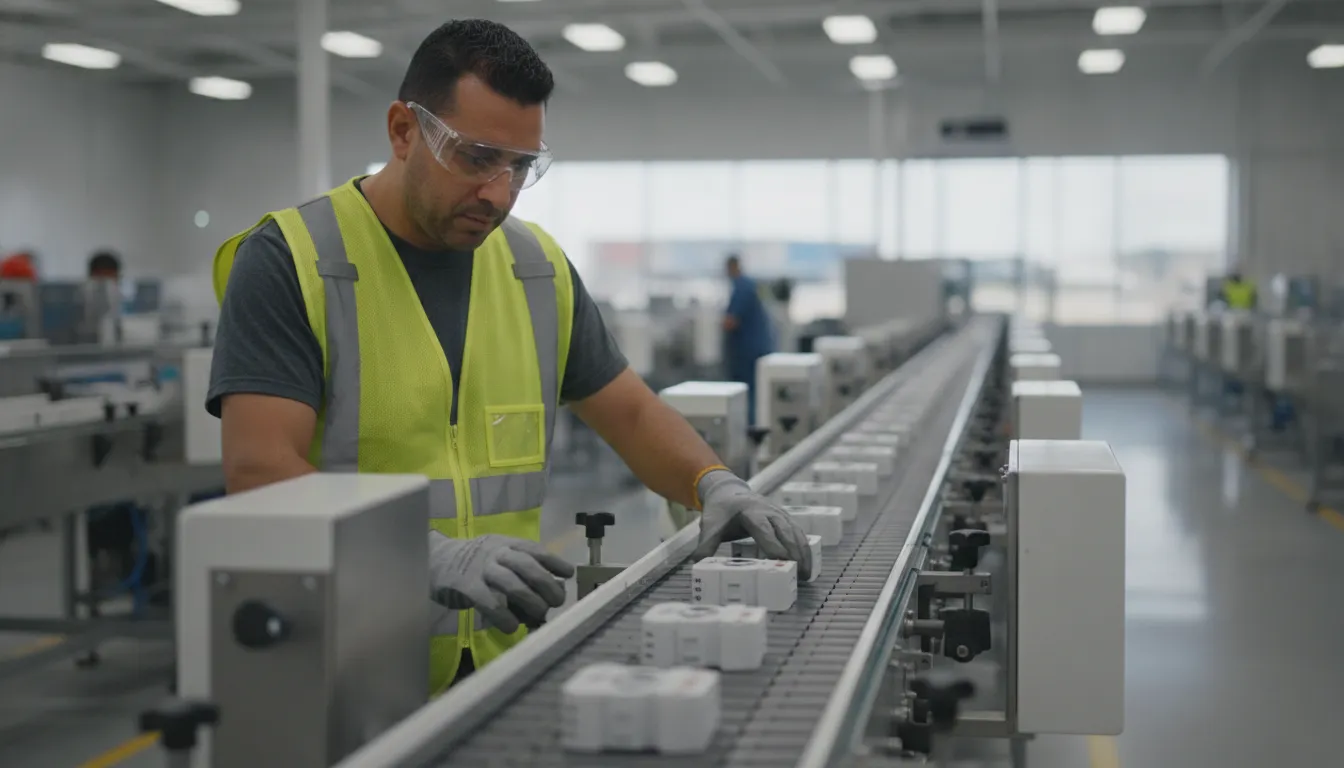
Local knowledge matters when commute time, shift schedules, and transportation affect whether a job is sustainable. Review South Dallas industrial job opportunities and check the assignment details carefully. A position near your home may still have different requirements for attendance, lifting, training, or equipment experience.
Temp-to-perm staffing can give you a chance to experience a workplace, management style, and daily routine before deciding whether the role is a longer-term fit. It is a possibility, not a promise. Permanent conversion depends on the employer, your performance and attendance, business needs, and the terms of the assignment. Learn more about how temp-to-perm staffing works, then ask what the specific opening may offer.
How Can You Prepare for Light Industrial Manufacturing Staffing Dallas Roles?
Good preparation starts with giving the staffing team a realistic picture of what you can do, when you can work, and where you can travel. Use the following checklist before discussing a warehouse associate assignment so the role fits your experience and daily circumstances.
Use one readiness checklist before you accept
- Organize your work history. List recent employers, job titles, dates, and the duties you actually performed. Include experience with picking, packing, scanning, inventory, shipping and receiving, pallet jacks, forklifts, conveyors, production lines, or quality checks. If you have not used a particular machine, say so. Accurate information helps a recruiter avoid assigning you to work that requires training or qualifications you do not yet have.
- State your availability clearly. Identify the shifts, days, overtime, and weekends you can reliably support. Do not say you are available anytime if you have school, caregiving, another job, or other limits. Ask for the expected start time, end time, and whether the schedule is fixed, rotating, or subject to changes.
- Plan the commute before accepting. Check the facility address at the actual shift hours, not only during a convenient part of the day. Confirm how you will get there and return home, including a backup plan. Be direct about the DFW communities you can reach consistently, such as Lancaster, DeSoto, Hutchins, Wilmer, South Dallas, Waxahachie, or Ennis.
- Review the job’s physical expectations. Ask about standing, walking, bending, lifting, repetitive motions, temperature, and the typical size or weight of materials. Match your answers to your actual abilities, and raise questions about accommodations early.
- Refresh safe-work habits. Be ready to explain how you use personal protective equipment, keep clear of equipment traffic, report hazards, and ask for instruction before starting an unfamiliar task. Confirm what training, footwear, PPE, and equipment qualifications the assignment requires.
- Prepare for job-relevant screening. Complete each requested step carefully and on time. If you want to understand the process, review how to prepare for warehouse skills assessments. Assessments and screening help evaluate fit for a specific role, but they do not replace honest communication about your experience.
- Communicate and follow through. Keep contact information current, monitor calls, texts, and email, and tell the recruiter if your availability or transportation changes. Confirm the facility, arrival instructions, supervisor contact, and documents to bring before the first shift. Arrive prepared, listen during orientation, ask questions when a task is unclear, and report an absence or safety concern as soon as possible.
What Should You Ask Before Accepting a Warehouse Role?
A clear conversation before you accept an assignment can help you decide whether the role fits your schedule, abilities, and commute. Assignment details vary, so ask for specific information rather than assuming every warehouse or manufacturing workplace operates the same way.
Schedule, attendance, and transportation
Ask which shift you would work, when the shift starts and ends, and whether the schedule may change. Confirm the expected attendance and call-off process, including who to contact if an emergency prevents you from reporting. If overtime, weekend work, or seasonal schedule changes may occur, ask how much advance notice is typical.
Review the location and transportation plan before accepting. Ask whether the assignment is at one facility or may move between sites, then compare the commute with your reliable transportation options. A role that looks suitable on paper may be difficult if the shift begins before public transit runs or ends after your ride is available.
Work conditions, training, and supervision
Ask what lifting, standing, walking, pushing, pulling, climbing, or repetitive movements the role involves. You can also ask whether the work takes place in a temperature-controlled area, around moving equipment, or in a production environment. These details help you discuss your experience honestly and identify any concerns before the first day.
Before starting, confirm what PPE is required, who provides it, and what safety or equipment training occurs. Ask who will supervise you on site and how to report a safety concern or unclear instruction. If the assignment uses forklifts, scanners, machinery, or other equipment, ask what authorization or job-specific training is required.
Future opportunities and assignment fit
If you are interested in staying longer, ask whether the employer considers temp-to-perm staffing and what factors influence that decision. A temporary assignment may create an opportunity to demonstrate reliability and learn the workplace, but permanent conversion is not guaranteed. Ask what success looks like for the role and how performance feedback is shared.
For local candidates, Eclipse can discuss available manufacturing jobs in Ellis County and explain the details of a specific opening before you decide.
Explore current DFW warehouse opportunities and apply today.
Frequently Asked Questions
What should I expect during a warehouse associate assignment?
Expect practical, physical work that may include receiving materials, picking and packing orders, moving inventory, supporting production, or helping with shipping and quality checks. The exact duties, shift, pace, equipment, and lifting requirements depend on the employer and assignment, so ask for those details before accepting a role.
What should I ask about safety before starting?
Ask who provides orientation, task-specific training, personal protective equipment, equipment instruction, and the process for reporting a hazard or injury. NIOSH explains that host employers and staffing companies share responsibility for the safety and health of temporary workers. So you should know how both organizations support your onboarding and questions.
Do I need warehouse or manufacturing experience?
Not always. Some assignments value prior experience with material handling, forklifts, shipping and receiving, production, or quality work. Other assignments may focus on reliability, safe work habits, availability, and willingness to learn. Be accurate about your equipment experience and describe any related work clearly during screening.
Can a temporary warehouse job become permanent?
A temp-to-perm assignment can give you and the employer time to evaluate the role, workplace, attendance, performance, and fit. Permanent employment is conditional, not guaranteed. Ask whether the assignment is temp-to-perm, what factors influence a possible conversion, and whether the employer has a specific timeline.
Ready to Explore Your Next Warehouse Role?
Job details can vary by shift, facility, equipment, and experience level. Reviewing current openings helps you compare available assignments with your skills, schedule, commute, and career goals before applying.
View current jobs and apply for a role that fits your experience and availability.
